Author: Dr. Vikram Chauhan

Self Healing Acupressure Therapy and its Benefits

Abstract

Self-healing acupressure therapy is a complementary wellness approach based on the application of gentle pressure to specific points on the body using the fingers, thumbs, or simple tools. Rooted in traditional healing principles, acupressure is believed to support the body’s natural ability to maintain balance and promote overall well-being. Regular stimulation of selected pressure points may help relieve muscular tension, reduce stress, improve relaxation, support circulation, and enhance physical comfort. Self-acupressure is particularly valued because it is simple, non-invasive, cost-effective, and can be practiced independently after learning appropriate techniques. It may also encourage greater body awareness and active participation in personal health and wellness.

Self Healing Acupressure Therapy

Statistics for Acupressure Therapy

  • The global acupressure market is valued at USD 215.05 million and is projected to reach USD 1,239.3 million by 2035, with a CAGR of 21.49%.
  • Over 40% of individuals exploring complementary and alternative therapies use or consider non-invasive approaches such as acupressure.
  • Around 45% of acupressure-related research publications from 2004–2024 were produced between 2020 and 2024.
  • Acupressure research involved contributions from 44 countries and regions.
  • The United States contributed 134 publications in the field of acupressure research.
  • Acupressure studies covered approximately 81 different academic and clinical disciplines.

Interesting Facts about Acupressure Therapy

  • Acupressure is a traditional healing practice that involves applying physical pressure to specific points on the body.
  • Unlike acupuncture, acupressure does not use needles and is completely non-invasive.
  • The technique commonly uses fingers, thumbs, palms, elbows, or specialized acupressure tools.
  • Acupressure points are traditionally believed to be located along pathways known as meridians.
  • There are hundreds of recognized acupressure points across different areas of the body.
  • Sessions usually involve applying steady or circular pressure to selected points for a short duration.
  • Traditional acupressure principles emphasize the balance and smooth flow of vital energy, often referred to as Qi or Chi.
  • The therapy requires no electricity, medication, or complex equipment for basic self-acupressure practice.
  • Pressure intensity can be adjusted according to individual comfort and sensitivity.

Introduction

Self-healing acupressure therapy is a traditional complementary healing approach that involves applying gentle, controlled pressure to specific points on the body to support physical and mental well-being. The practice is based on the principles of traditional Chinese medicine, which describes a network of energy pathways, commonly known as meridians, through which vital energy or Qi flows. According to traditional concepts, disturbances in this flow may contribute to discomfort and imbalance. Acupressure aims to stimulate selected points and promote relaxation, balance, and the body’s natural healing response. Self-acupressure allows individuals to perform these techniques independently by using their fingers, thumbs, palms, or simple massage tools. It also encourages greater awareness of the body and promotes active participation in personal well-being. The practice requires minimal equipment and can often be performed at home after learning appropriate techniques.

The Five Elements and Their Traditional Associations

The Five Elements (Wu Xing) are a fundamental concept in Traditional Chinese Medicine (TCM). They describe five interconnected phases—Wood, Fire, Earth, Metal, and Water—that are used to understand relationships between nature, bodily functions, emotions, and seasonal changes.

  • Wood : Wood represents spring, renewal, expansion, and growth. It is traditionally associated with the Liver and Gallbladder and is linked with the body’s capacity for movement, planning, and adaptation. Spring symbolizes the upward and outward movement characteristic of the Wood phase.
  • Fire : Fire reflects the qualities of summer, warmth, activity, and transformation. The Heart and Small Intestine are traditionally connected with this element. Fire represents peak activity and is associated with vitality, enthusiasm, and the expression of emotional warmth.
  • Earth : Earth symbolizes late summer, nourishment, stability, and productivity. It is traditionally related to the Spleen and Stomach and represents the processes involved in receiving and transforming nourishment. The Earth phase is also associated with harvest, abundance, and grounding.
  • Metal : Metal corresponds to autumn, contraction, organization, and refinement. The Lungs and Large Intestine are its associated organ systems. This phase represents the movement from expansion toward inward reflection and is traditionally connected with processes of elimination and letting go.
  • Water : Water represents winter, rest, conservation, and storage. It is traditionally associated with the Kidneys and Urinary Bladder. The Water phase reflects inward movement, preservation of resources, and the quiet, restorative quality traditionally attributed to winter.

Together, the Five Elements provide a traditional framework for describing the dynamic relationships between seasons, organs, bodily processes, and patterns of change.

The Principles of Acupressure: Traditional and Modern

Traditional Chinese medicine explains acupressure primarily through Qi, meridians, and balance, whereas modern science examines its effects through the nervous system, sensory stimulation, pain modulation, muscle relaxation, and neurochemical responses. The principles are as follows:

  • Qi (Chi) : Qi is traditionally described as the vital energy that supports the body’s functions and flows through interconnected pathways called meridians. Acupressure aims to stimulate specific points along these pathways to encourage the smooth movement and balance of Qi.
  • Yin and Yang : Yin and Yang represent complementary and opposing qualities within traditional Chinese philosophy. Yin is generally associated with qualities such as rest, coolness, and inward movement, while Yang represents activity, warmth, and outward movement. Traditional Chinese Medicine considers health to depend on a harmonious relationship between these two aspects.
  • Meridians : Meridians are described in Traditional Chinese Medicine as pathways through which Qi circulates throughout the body. Specific acupressure points are located along these pathways. Applying pressure to selected points is traditionally believed to influence the associated functions and promote energetic balance.
  • Acupressure points : Acupressure focuses on specific anatomical locations that are traditionally considered therapeutically significant. Practitioners select points according to the individual’s symptoms, traditional diagnosis, and desired therapeutic objective.
  • De Qi : In traditional practice, stimulation of an acupoint may produce sensations such as mild heaviness, warmth, tingling, pressure, or a dull aching feeling. This experience is commonly referred to as De Qi and is traditionally considered an indication that the point has been adequately stimulated. It is not necessary to produce strong pain for acupressure to be performed effectively.
  • Sensory nerve stimulation : Applying pressure to the skin, muscles, and underlying tissues activates sensory receptors and nerve endings. These signals are transmitted through the peripheral nervous system toward the spinal cord and brain.
  • Modulation of pain signals : Acupressure may influence the way the nervous system processes pain-related information. Stimulation of sensory nerves can engage mechanisms that reduce the transmission or perception of pain signals.
  • Muscle relaxation : Pressure and massage-like stimulation can help reduce localized muscular tension. Relaxation of tight muscles may contribute to improved comfort and a reduction in sensations associated with physical strain.
  • Brain–body interaction : Acupressure involves continuous communication between sensory receptors, the spinal cord, and the brain. Modern research therefore investigates its effects through neurological, physiological, and psychological mechanisms.

How Does Acupressure Therapy Work?

The effects of acupressure may involve stimulation of sensory nerves, muscles, and connective tissues. Pressure applied to a particular area activates sensory receptors that send signals to the nervous system. These signals may influence how the brain processes pain and other bodily sensations. Acupressure may also influence the body’s autonomic nervous system, which regulates functions such as heart rate, breathing, and stress responses. Gentle, rhythmic pressure combined with slow breathing may encourage relaxation and reduce physical tension. The amount of pressure depends on the individual and the location of the point; excessive force is unnecessary and may cause soreness or injury. Self-acupressure can therefore work through a combination of traditional energy-based principles and physiological responses to touch and pressure.
The mechanism is as follows:

  • Pressure Points : Acupressure focuses on particular areas of the body traditionally associated with meridian pathways and areas containing sensory nerve receptors.
  • Applying Pressure : The selected point is gently but firmly stimulated using the thumb, fingertip, or knuckle. Pressure is generally maintained for about 1–2 minutes, depending on the technique and individual comfort.
  • Physiological Response : Pressure stimulation may activate sensory nerves and influence the nervous system, potentially supporting the release of natural pain-modulating chemicals, reducing muscle tension, and promoting relaxation.

Different Acupressure Points and their Significance

Acupressure involves stimulating specific points that are traditionally associated with particular functions or areas of the body. The following are some commonly recognized points and their traditional uses:

  • Yintang (Extra Point) : Located between the eyebrows, Yintang is traditionally used to promote relaxation and calmness. It is commonly stimulated during practices focused on stress, mental tension, and sleep.
  • Hegu (LI4) : Found in the fleshy area between the thumb and index finger, LI4 is traditionally associated with relieving headache, facial discomfort, and general pain. LI4 should be avoided during pregnancy unless specifically advised by a qualified practitioner.
  • Neiguan (PC6) : Situated on the inner forearm near the wrist, PC6 is traditionally used for nausea, vomiting, and feelings of chest or upper-abdominal discomfort. It is also commonly included in relaxation-oriented acupressure techniques.
  • Zusanli (ST36) : Located below the knee, ST36 is traditionally considered an important point for digestive and general wellness. It is frequently stimulated to support digestion, energy, and physical vitality.
  • Sanyinjiao (SP6) : Found on the inner lower leg above the ankle, SP6 is traditionally associated with digestive, menstrual, and pelvic health. Pregnancy requires particular caution with this point.
  • Taichong (LR3) : Located on the top of the foot between the first and second toes, LR3 is traditionally used to promote relaxation and support the smooth movement of Qi.
  • Fengchi (GB20) : Located at the base of the skull on either side of the neck, GB20 is commonly used in traditional practice for headache, neck tension, and stiffness.
  • Shenmen (HT7) : Situated near the wrist on the little-finger side, HT7 is traditionally associated with calming the mind and is often used in acupressure approaches for relaxation and sleep support.
  • Yingxiang (LI20) : Located beside the nostrils, LI20 is traditionally associated with the nose and is commonly stimulated in techniques intended to support nasal comfort.
  • Taiyang (Extra Point) : Found in the temple region, Taiyang is traditionally used for headache, facial tension, and relaxation.

Benefits of Acupressure Therapy

Acupressure Therapy offers a simple, non-invasive approach that may support physical relaxation and overall well-being. Regular self-acupressure may also encourage better body awareness, stress management, and a sense of renewed energy. The benefits are as follows:

  • Supports healthy circulation : Acupressure may stimulate local tissues and promote relaxation of tense muscles, potentially supporting normal blood flow and oxygen delivery to body tissues.
  • Helps manage joint discomfort : Acupressure may provide supportive relief from joint stiffness and discomfort associated with conditions such as arthritis. Its effects may be related to sensory nerve stimulation, muscle relaxation, and modulation of pain perception.
  • Supports digestive comfort : Certain acupressure points are traditionally used to support digestive function. Their stimulation may help promote relaxation and provide relief from occasional bloating, indigestion, nausea, and abdominal discomfort.
  • Promotes emotional relaxation : Acupressure may help calm the nervous system and encourage relaxation. Regular self-acupressure can be incorporated into stress-management routines and may support better sleep and emotional well-being.
  • Encourages energy and vitality : Some acupressure techniques are traditionally used to promote alertness and reduce feelings of fatigue. Gentle stimulation combined with mindful breathing may leave a person feeling refreshed and more relaxed.
  • May support headache relief : Stimulation of selected points is commonly used as a complementary approach for tension-related headaches and head discomfort. Relaxation of surrounding muscles may contribute to improved comfort.
  • Promotes muscle relaxation : Applying controlled pressure to appropriate points may help ease localized muscular tightness and encourage physical relaxation.
  • Encourages mind–body awareness : Self-acupressure requires attention to bodily sensations and breathing, which can encourage mindfulness and greater awareness of physical and emotional well-being.

Does Acupressure Therapy require any special learning?

Basic self-acupressure does not require extensive special training, but learning the correct points and techniques is important for safe and effective practice. Following points need to be taken into account:

  • Basic techniques : Simple pressure-point techniques can be learned from a qualified practitioner or reliable instructional resources.
  • Correct point location : Proper identification of acupressure points helps avoid applying pressure to inappropriate areas.
  • Pressure and duration : Beginners should learn how much pressure to apply and how long to stimulate each point. Pressure should feel comfortable, not painful.
  • Safety knowledge : It is important to know which points or body areas should be avoided in situations such as pregnancy, acute injury, infection, or certain medical conditions.
  • Professional practice : Providing acupressure as a therapeutic service to others requires more comprehensive training in anatomy, acupoint location, contraindications, and technique.
  • Self-healing practice : For general self-care, basic instruction is usually sufficient for simple techniques, while complex conditions should be addressed under appropriate professional guidance.
  • Understanding body anatomy : Basic knowledge of muscles, nerves, joints, and sensitive areas helps in practicing acupressure safely.
  • Identifying individual needs : Different acupressure points may be selected according to the person’s symptoms and wellness goals.
  • Gradual learning : Beginners can start with a few commonly used points before progressing to more advanced techniques.

Adverse Effects of Applying Pressure to Incorrect Acupressure Points

Applying pressure to an inappropriate point, using excessive force, or stimulating an unsuitable area can cause unwanted effects. Most minor effects are temporary, but incorrect technique may occasionally result in injury. The adverse effects include:

  • Localised pain or tenderness : Excessive pressure may irritate muscles, connective tissues or sensitive structures, resulting in soreness or tenderness around the stimulated area.
  • Bruising : Strong or prolonged pressure can damage small blood vessels beneath the skin and produce bruising, particularly in people with fragile skin.
  • Swelling and irritation : Repeated or forceful stimulation may cause localized inflammation, swelling, warmth or skin irritation.
  • Numbness or tingling : Pressure applied over a superficial nerve may temporarily produce tingling, pins and needles sensations or numbness. Persistent symptoms require medical assessment.
  • Muscle strain : Incorrect pressure or an awkward technique can aggravate an already tense muscle and increase stiffness or discomfort.
  • Dizziness : Some individuals may experience dizziness, weakness, sweating, or nausea during or after stimulation, particularly when pressure is excessive or the person is already unwell.
  • Headache or increased discomfort : Incorrect stimulation may aggravate existing discomfort rather than providing relaxation, especially when excessive pressure is used around the head, neck, or other sensitive regions.
  • Skin damage : Vigorous rubbing, repeated pressure or the use of hard tools can cause redness, abrasions or superficial skin injury.
  • Aggravation of existing injuries : Pressure should not be applied directly over fractures, open wounds, burns, acute swelling, infections, or recently injured tissues because it may worsen local irritation.
  • Risk of sensitive areas : Particular caution is required around the front of the neck, eyes, recent surgical sites and areas where major blood vessels or nerves are relatively superficial.
  • Pregnancy-related precautions : Some traditionally used acupressure points are approached cautiously during pregnancy. Pregnant individuals should seek guidance from a qualified healthcare professional before using specific points therapeutically.
  • Delayed medical care : The most important risk is using acupressure to manage  serious symptoms without appropriate medical evaluation. Persistent, severe or unexplained symptoms should always be assessed by a physician.

Conclusion

Self-healing acupressure can become a useful part of a healthy daily routine. Regular practice may encourage relaxation, reduce everyday tension, improve comfort, and support greater awareness of bodily needs. Its simple approach makes it convenient for home use. Learning appropriate techniques and pressure levels is essential to avoid discomfort and ensure safe practice. Safe practice remains important, particularly when dealing with injuries, pregnancy or health concerns.
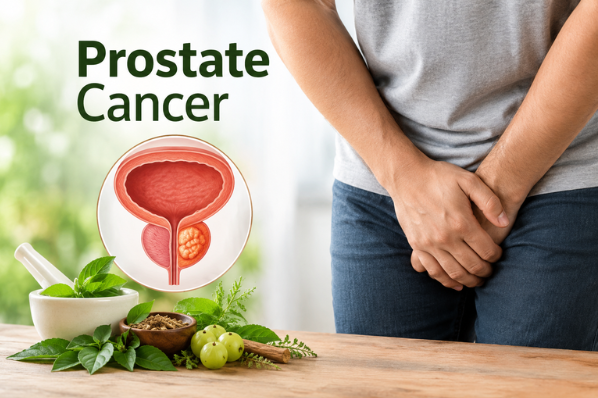

Herbal Remedies for Prostate Cancer – Causes, Symptoms & Diagnosis

Abstract

Prostate cancer is a significant health concern among aging men and requires timely diagnosis, appropriate staging, and evidence-based medical management. Ayurveda offers a supportive therapeutic perspective that focuses on maintaining physiological balance, strengthening general health, and improving resilience during illness and conventional management. Certain Ayurvedic herbs and formulations have traditionally been studied for their antioxidant, anti-inflammatory, immunomodulatory, and tissue-supportive properties, which may have relevance in supportive cancer care. However, Ayurvedic medicines should be selected according to an individual’s constitution, disease stage, symptoms.Treating Prostate Cancer

Statistics for Prostate Cancer

  • Approximately 1.5 million new prostate cancer cases are reported worldwide each year.
  • Around 333,830 men are projected to receive a prostate cancer diagnosis.
  • Approximately 36,320 deaths are expected to occur due to prostate cancer.
  • The estimated lifetime chance of developing prostate cancer is about 1 in 8 men, equivalent to approximately 13.2%.
  • Men diagnosed with prostate cancer that remains confined to the prostate generally have a 5-year relative survival rate close to 100% .
  • More than 3.5 million men in the United States are currently living after a prostate cancer diagnosis, reflecting improvements in detection and management.
  • More than 60% of prostate cancer cases occur in men aged 65 years or older.

Some Facts about Prostate Cancer

  • Prostate cancer can be extremely slow-growing. Some prostate cancers grow so slowly that they may never cause symptoms or threaten a man’s life, particularly in older men.
  • Many prostate cancers are discovered accidentally.
  • Benign prostatic enlargement, prostatitis, urinary infection, ejaculation and certain medical procedures can also raise PSA levels.
  • Prostate cancer can exist without urinary symptoms.
  • The prostate is about the size of a walnut in younger adults. It sits beneath the bladder and surrounds part of the urethra, which explains why enlargement can affect urination.
  • Prostate cancer is biologically unusual because it is strongly influenced by hormones.
  • Prostate cancer is not one single disease. Tumors differ considerably in their molecular characteristics, growth rate and aggressiveness. This is why two men with prostate cancer can require completely different management.
  • The Gleason system does not simply tell whether cancer is present.
  • The prostate changes considerably with age.
  • Prostate cancer can be so common in older men that microscopic prostate cancer is found incidentally during autopsy in men who died from completely unrelated causes.

Introduction

Prostate cancer is one of the most common cancers affecting men, particularly in older age groups. It develops when cells in the prostate gland begin to grow abnormally and multiply without normal control. Some prostate cancers progress slowly, while others may be more aggressive and spread to nearby tissues, lymph nodes, or bones. Early diagnosis and appropriate medical management are therefore important for improving outcomes and maintaining quality of life. Conventional management may include active surveillance, surgery, radiation therapy, hormone therapy, chemotherapy, targeted medicines, or a combination of these approaches depending on the stage and characteristics of the disease. Ayurveda offers a traditional system of healthcare that focuses on maintaining physiological balance, supporting strength, and promoting overall well-being. Several Ayurvedic herbs and formulations have been traditionally used to support urinary function, digestion, metabolism, immunity, and general vitality.

Causes and Risk Factors of Prostate Cancer

Prostate cancer does not usually have one single identifiable cause. It develops when genetic changes cause prostate cells to grow and divide abnormally. Over time, these abnormal cells may escape normal growth controls and form a tumor. Several factors can increase the likelihood of developing prostate cancer.

  • Increasing Age – Age is one of the strongest risk factors for prostate cancer. The disease is uncommon in younger men but becomes considerably more frequent after the age of 50. Cellular changes and the accumulation of genetic damage over many years may contribute to this increased risk.
  • Family History – Men with a close relative, particularly a father or brother, who has had prostate cancer have a higher risk of developing the disease. The risk may be greater when the relative was diagnosed at a younger age or when several family members are affected.
  • Inherited Genetic Mutations – Certain inherited gene changes can increase susceptibility to prostate cancer. BRCA2 mutations are particularly important, while alterations involving BRCA1, ATM, CHEK2, and other DNA – repair genes may also contribute. Some hereditary cancer syndromes, such as Lynch syndrome, are associated with increased risk.
  • Abnormal Hormonal Influence – The prostate is influenced by male sex hormones called androgens, particularly testosterone and dihydrotestosterone (DHT). Prostate cancer cells commonly depend on androgen signaling for their growth, although the relationship between normal hormone levels and the initial development of cancer is complex.
  • Genetic Damage in Prostate Cells – Changes in the DNA of prostate cells can interfere with genes responsible for controlling cell growth, repairing damaged DNA, and eliminating abnormal cells. When several such changes accumulate, cells may begin multiplying uncontrollably and eventually become cancerous.
  • Obesity and Excess Body Weight – Being overweight or obese has been associated particularly with an increased likelihood of developing more aggressive or advanced prostate cancer. Metabolic changes, chronic inflammation, altered hormone levels, and insulin-related pathways may contribute to this association.
  • Physical Inactivity – A sedentary lifestyle may contribute to obesity, insulin resistance, cardiovascular disease, and chronic inflammation. These metabolic conditions may be associated with a higher risk of aggressive prostate cancer. Regular physical activity is therefore encouraged as part of general cancer-prevention and health-promoting measures.
  • Metabolic Syndrome and Diabetes – Conditions such as abdominal obesity, high blood pressure, abnormal blood lipids, and impaired glucose regulation can alter inflammatory and hormonal pathways. Diabetes and metabolic syndrome have been investigated in relation to prostate cancer, particularly aggressive disease, although the relationship is not straightforward.
  • Previous Prostate Abnormalities – Certain non-cancerous microscopic abnormalities, including high-grade prostatic intraepithelial neoplasia (HGPIN), may be associated with an increased likelihood of detecting prostate cancer in subsequent evaluation. These findings do not themselves mean that cancer is present.

Signs and Symptoms of Prostate Cancer

Prostate cancer can be difficult to recognize in its early stages because many men have no symptoms at all. Symptoms often appear when the tumor becomes larger or begins affecting nearby structures. The signs can also resemble those of benign prostatic hyperplasia (BPH) or prostatitis, so symptoms alone cannot confirm prostate cancer. The symptoms include:

  • Difficulty Starting Urination – A person may experience difficulty initiating the urine stream. The feeling of needing to wait before urine begins can occur when an enlarged prostate interferes with the urethra.
  • Weak or Interrupted Urine Flow – The urine stream may become weaker than usual or stop and start during urination. Progressive narrowing of the urethra can contribute to this symptom.
  •  Increased Urinary Frequency – A frequent need to urinate, particularly during the night, may occur. Some men may wake several times at night to pass urine.
  • Urgency to Urinate – There may be a sudden, difficult-to-control urge to urinate. Urinary urgency can occur when the bladder becomes irritated or does not empty properly.
  • Difficulty Emptying the Bladder – A feeling that the bladder has not completely emptied after urination may develop. This can occur because the prostate obstructs normal urine flow.
  • Pain or Burning During Urination – Some men may experience discomfort, burning, or pain while passing urine. However, these symptoms are more commonly associated with urinary infection or prostatitis than prostate cancer.
  •  Blood in the Urine – Hematuria, or blood in the urine, can occasionally occur when prostate cancer affects nearby urinary structures. Blood in urine should always be medically evaluated because it can have many causes.
  • Blood in Semen – Blood may occasionally be noticed in the semen, a condition known as hematospermia. Although it can occur with prostate conditions, infections and inflammation are more common causes.
  • Erectile Dysfunction – Some men may experience difficulty achieving or maintaining an erection. Erectile dysfunction can occur because of prostate disease, but it is also associated with diabetes, vascular disease, medications, psychological factors, and aging.
  • Painful Ejaculation – Discomfort during ejaculation may occur in some men. This symptom is not specific to prostate cancer and can also occur with inflammation or infection of the prostate and surrounding reproductive organs.
  • Persistent Pain in the Lower Back or Pelvis – Advanced prostate cancer may spread outside the prostate, particularly to the bones. Persistent pain involving the lower back, pelvis, hips, or thighs can therefore occur in advanced disease.
  • Bone Pain – Prostate cancer has a particular tendency to spread to bones. When bone metastases develop, they may cause persistent or progressive pain, especially in the spine, pelvis, ribs, or hips.
  • Numbness or Weakness in the Legs – When cancer spreads to the spine, it can sometimes compress the spinal cord or nerves. This may result in weakness, numbness, difficulty walking, or changes in sensation.
  • Unexplained Weight Loss – Advanced cancer may cause unintended weight loss because of changes in metabolism, reduced appetite, or the body’s response to the tumor.
  • Persistent Fatigue – Advanced prostate cancer may be accompanied by unusual or persistent tiredness. Anemia, cancer-related inflammation, nutritional problems, or advanced disease can contribute to fatigue.
  • Kidney or Upper Urinary Tract Problems – Severe and prolonged urinary obstruction can interfere with the normal drainage of urine from the kidneys. In advanced cases, this may contribute to impaired kidney function.

Diagnosis of Prostate Cancer

The diagnosis of prostate cancer usually involves several steps rather than a single test. Doctors consider the patient’s age, symptoms, family history, PSA level, physical examination findings, imaging results, and, when indicated, prostate tissue analysis. These investigations help determine whether cancer is present and, if confirmed, establish how extensive and aggressive it may be.

  • Prostate-Specific Antigen (PSA) Test – The PSA test is a blood test that measures the concentration of prostate-specific antigen, a protein produced by prostate cells. An elevated PSA level can be associated with prostate cancer, but it does not establish the diagnosis by itself. Benign prostatic enlargement, prostatitis, urinary infection, recent ejaculation, and certain prostate procedures can also influence PSA levels.
  • Digital Rectal Examination (DRE) – A digital rectal examination allows the physician to assess the prostate directly through the rectum. During the examination, a gloved and lubricated finger is gently inserted into the rectum to evaluate the prostate for abnormalities.
  • Multiparametric MRI – Magnetic resonance imaging (MRI) provides detailed images of the prostate and surrounding tissues. Multiparametric MRI can identify areas that appear suspicious for clinically significant cancer and can help doctors determine the location and extent of a lesion.
  • Prostate Biopsy – A prostate biopsy is the definitive method for confirming prostate cancer. During this procedure, a specialist removes several small tissue samples from the prostate using a needle. The samples are examined by a pathologist under a microscope to determine whether malignant cells are present.
  • Gleason Score and Grade Group – The Gleason grading system evaluates how closely prostate cancer cells resemble normal prostate tissue under the microscope. Different areas of the tumor may receive different grades, which are combined to produce a Gleason score.
  • CT Scan – A computed tomography (CT) scan uses X-rays to produce detailed cross-sectional images of the body. CT may be used when doctors need to evaluate whether prostate cancer has extended beyond the prostate, particularly to regional lymph nodes or other structures.
  • PET Scan – A positron emission tomography (PET) scan can help identify prostate cancer that has spread to other parts of the body. In prostate cancer, specialized tracers such as PSMA-targeted agents may be used to detect prostate cancer cells in appropriate clinical situations.
  • Bone Imaging – Because prostate cancer has a tendency to spread to the bones in advanced disease, doctors may recommend imaging when there is a significant risk of bone involvement or when symptoms such as persistent bone or back pain are present. Depending on the situation, evaluation may involve bone scans, PET/CT, MRI, or other imaging techniques.

Management of Prostate Cancer

The management of prostate cancer is individualized according to the stage and grade of the tumor, PSA level, rate of cancer growth, whether the disease has spread, age, general health, and personal management preferences. A small, slow-growing tumor may require careful monitoring, whereas aggressive or metastatic cancer usually requires active management. The major management approaches are described below:

  • Active Surveillance – Active surveillance may be appropriate for selected men with low-risk or very slow-growing prostate cancer. Instead of treating the cancer immediately, doctors monitor it regularly through PSA testing, physical examination, MRI, and sometimes repeat biopsy.
  • Radical Prostatectomy – Radical prostatectomy is a surgical procedure in which the entire prostate gland is removed, along with surrounding tissues and sometimes nearby lymph nodes. It is mainly considered for men with localized prostate cancer who are suitable candidates for surgery. The procedure can potentially remove all detectable cancer when the disease remains confined to the prostate.
  • Radiation Therapy – Radiation therapy uses high-energy radiation to damage and destroy cancer cells. It may be used as a primary management for localized prostate cancer or after surgery in selected patients. Two commonly used approaches include:
  • External-beam radiation therapy – Radiation is delivered from a machine outside the body and precisely directed toward the prostate and, when necessary, nearby tissues.
  • Brachytherapy – Small radioactive sources are placed inside or near the prostate to deliver radiation directly to the tumor.
  • Hormone Therapy – Prostate cancer cells commonly depend on androgen signaling, particularly testosterone, for growth. Hormone therapy, also called androgen-deprivation therapy (ADT), reduces testosterone production or prevents testosterone from stimulating cancer cells. Hormone therapy is frequently used for advanced disease and may also be combined with radiation in certain patients with higher-risk localized or locally advanced cancer.
  • Immunotherapy – Immunotherapy attempts to help the body’s immune system recognize and attack cancer cells. Its usefulness in prostate cancer depends on the characteristics of the tumor. A particular immunotherapeutic approach, sipuleucel-T, has been used for selected men with metastatic castration-resistant prostate cancer.
  •  Management for Bone Metastases – Management may include systemic cancer management as well as therapies specifically directed at bone involvement. Radiation therapy can help relieve pain from individual bone lesions. Medicines that help reduce skeletal complications may also be considered.

Ayurveda Insights

Ayurveda views prostate and urinary health through the balance of Doshas, proper digestion, tissue nourishment, and healthy urinary function. Conditions affecting urination may be discussed under concepts such as Mutraghata and Mutrakrichra, although these are not direct equivalents of prostate cancer. Herbs such as Gokshura, Punarnava, Varuna, Ashwagandha, Guduchi, and Amalaki are traditionally valued for supporting urinary function and general vitality. A balanced diet, regular physical activity, adequate sleep, and stress management are also emphasized.

Pathogenesis of Prostate Cancer

The process may be interpreted as progressive Dosha imbalance, particularly disturbance of Vata and Kapha, along with impairment of Agni and accumulation of metabolic waste (Ama). Disturbed Doshas may affect the Mutravaha Srotas and Mamsa and Meda Dhatu, resulting in abnormal tissue growth and obstruction of normal urinary function. Chronic imbalance and impaired tissue metabolism may further contribute to Dhatvagni dysfunction, allowing pathological changes to become established and progressively affect surrounding tissues. From an Ayurvedic perspective, weakened Ojas and impaired systemic balance may influence the body’s ability to maintain healthy tissues.

Herbal Remedies by Planet Ayurveda

Planet Ayurveda is a well-established Ayurvedic healthcare organization that works to promote the ancient knowledge of Ayurveda through natural remedies and holistic health solutions. The company develops a wide range of herbal formulations using pure, high-quality ingredients and standardized herbal extracts, with a focus on maintaining safety, authenticity, and effectiveness. Following the principles of classical Ayurveda, Planet Ayurveda aims to support overall health by addressing the underlying causes of health concerns and encouraging balance in the body, mind, and emotions. With an emphasis on quality, natural ingredients, and traditional approaches supported by modern research, the organization works toward making Ayurvedic wellness solutions available globally. We will explore various herbal approaches used for the management of Prostate Cancer according to Ayurvedic principles. The herbal formulations are:

  1. Kanchnaar Guggul
  2. Tumotrim Capsules
  3. Vriddhi Vadhika Vati
  4. Crab Arlu Capsules
  5. Prostate Endza
  6. Varunadi Vati
  7. Chandraprabha Vati

Herbal Remedies for Prostate Cancer

Buy Now Herbal Remedies for Treating Prostate Cancer

Buy NowHerbal Remedies for Treating Prostate Cancer

Product description

1. Kanchnaar Guggul

Kanchnaar Guggulu is a classical Ayurvedic formulation containing Kachnar, Triphala, Trikatu, Varuna, Guggulu and other ingredients. Its Vata-Kapha balancing, Lekhana (scraping), Shothahara (anti-inflammatory), and Mutrala (urinary-supportive) properties may provide supportive benefits for prostate-related urinary disturbances. Clinical studies have primarily evaluated Kanchnaar Guggulu in Mutraghata and benign prostatic hyperplasia (BPH), where improvements in urinary flow and residual urine have been reported.

Dosage: 1 tablet twice a day with lukewarm water.

2. Tumotrim Capsules

Tumotrim Capsules by Planet Ayurveda contain Haridra, Shallaki, Tulsi, Ashwagandha, Maricha, and Sonth, traditionally selected for their antioxidant, anti-inflammatory, and immune-supportive properties. In the context of prostate cancer, these herbs may provide supportive care for general strength, inflammation, and cellular health. Curcumin from Haridra and other phytochemicals have demonstrated anticancer activity.

Dosage: 1 capsule twice a day.

3. Vriddhi Vadhika Vati

It is a classical Ayurvedic herbo-mineral formulation traditionally described for conditions involving abnormal growths and Vriddhi disorders. Its ingredients, including Triphala, Trikatu and several processed mineral preparations, are traditionally considered to possess Lekhana, Vata-Kapha balancing, and supportive metabolic properties.

Dosage: 1 tablet twice a day with lukewarm water.

4. Crab Arlu Capsules

Crab Arlu Capsules contain standardized extracts of Arlu (Ailanthus excelsa) and Maricha (Piper nigrum). Arlu is traditionally valued in Ayurveda for its bitter, cooling and Kapha-balancing properties, while Maricha supports digestion and may enhance the activity of other herbs. The formulation has been promoted for its antioxidant, anti-inflammatory and cytotoxic potential, with preclinical research suggesting activity against abnormal cell growth.

Dosage: 1 capsule twice a day with plain water after meals.

5. Prostate Endza

Prostate Endza is a polyherbal Ayurvedic formulation containing Gokshur, Varuna, Kanchnaar, and Guggul, traditionally selected to support prostate and urinary health. Gokshur is valued for supporting normal urinary flow, while Varuna is traditionally used for urinary-system wellness. Kanchnaar and Guggul are regarded in Ayurveda for their Kapha-balancing and anti-inflammatory properties.

Dosage: 1 capsule twice a day.

6. Varunadi Vati

Varunadi Vati is an Ayurvedic formulation containing Punarnava, Varuna, Gokshur, and Shuddha Guggulu, traditionally used to support urinary and prostate health. Punarnava is valued for its diuretic and anti-inflammatory properties, while Varuna and Gokshur are traditionally associated with healthy urinary flow and genitourinary function. Shuddha Guggulu contributes Kapha-balancing and anti-inflammatory actions.

Dosage: 1 tablet twice a day with lukewarm water.

7. Chandraprabha Vati

It is a classical Ayurvedic herbo-mineral formulation traditionally used for urinary and metabolic disorders. It contains numerous herbs along with ingredients such as Shuddha Shilajit, Shuddha Guggulu, Triphala, Trikatu, and mineral preparations. Its traditional Mutrala (urinary-supportive), Deepana-Pachana, and Vata-Kapha balancing properties may help support urinary comfort and general prostate health.

Dosage: 1 tablet twice a day with lukewarm water.

Conclusion

Prostate cancer is a complex condition influenced by age, genetics, hormonal factors, lifestyle, and other risk factors. Early detection through appropriate evaluation can improve the chances of effective management. Management should be selected according to the cancer’s stage, grade, and overall health of the patient. Ayurveda may offer complementary supportive care for general wellbeing and urinary health, but it should not replace evidence-based cancer management. An integrated, medically supervised approach can help support quality of life and overall care.