Author: Dr. Vikram Chauhan

Ayurvedic Treatment for Dysphasia and Aphasia

Abstract

Dysphasia and aphasia is a condition of impaired language. The causes and symptoms of both the condition are the same but only the severity makes a difference. The term aphasia includes the complete loss of speech and understanding abilities while dysphasia includes the mild impairment of language. The main cause of both the condition is a stroke or an injury to the brain and head. Generally, people with this condition undergo speech and language therapy to improve their language skills. But treatment is also needed to improve brain functioning and treat internal brain injuries and the condition.

According to Ayurveda

According to Ayurveda, this condition occurs due to the vitiated Vata dosha which further causes vitiation of Kapha dosha. So, Ayurveda provides the management and treatment of this condition by including herbs like Brahmi, Ashwagandha, etc. and herbal medicines which keep balance in these doshas and also promote brain health. And Planet Ayurveda provides effective herbal products containing pure herbs for dysphasia and aphasia and does not contain any additives. These are safe to use and do not cause any side effects.

Introduction

Both dysphasia and aphasia are similar and defined as language disorders. The terms dyspepsia and aphasia generally used interchangeably. Only the difference is the severity of the condition.

The term dysphasia means dysfunction or improper language and Aphasia means an absence of speech. The term Aphasia is generally more prevalent in North America, while dyspepsia may be more prevalent in other parts of the world. Most people of middle-aged or older have aphasia but anyone can get it, including young children. Approximately 1 million people in the United States currently suffered from aphasia, and approximately 180,000 Americans receive it every year. (1)
Symptoms of Dysphasia and Aphasia

Causes of Dysphasia and Aphasia (أسباب عسر التنفس والحبسة)

This condition occurs when the damage or injury takes place to the brain areas which are responsible for language and speech production i.e. Wernicke’s area and Broca’s area respectively. This damage can be caused due to many conditions. Strokes are the main cause of developing dysphasia and aphasia conditions. Many factors increase the risk of having brain injuries such as a sedentary lifestyle, cardiovascular disease, high cholesterol, high blood pressure, diabetes, etc.

Some Conditions Which Are Responsible For This Condition are

  • Brain tumors
  • Infections
  • Critical head injuries
  • Transient ischemic attacks (TIA)
  • Neurodegenerative conditions
  • Seizures
  • Migraines

Symptoms of Dysphasia and Aphasia

People may experience problems with speaking or understanding but may also have difficulty reading and writing. The symptoms may depend on the location and severity of brain injury.

The Common Symptoms it Includes Are

  • Speak in single words or incomplete sentences
  • Substitute the word order or mixing up the word and sound
  • Speak nonsense or unfamiliar words
  • Speaking with great difficulty
  • Spontaneously speaking but meaningless
  • Give wrong answers to simple questions
  • Unable to understand and taking time to understand speech
  • Writing sentences that don’t make sense and make grammar mistakes

Diagnosis of Dysphasia and Aphasia

The doctor first diagnoses the condition by physical examination of a person with a brain injury. The doctor may recommend the other test to identify the exact location of brain injuries such as magnetic resonance imaging (MRI) or computed tomography (CT) scan. The doctor also tests the ability of a person to produce and understand language, such as following instructions, solving questions, identifying and naming things, and their representation in the conversation.

Ayurvedic Aspect of Dysphasia and Aphasia

According to Ayurveda, dysphasia and aphasia are associated with vitiated Vata dosha. It is considered that when a person consumes an unhealthy diet and lifestyle that elevates the Vata dosha that accompanies the Kapha Dosha and eventually disrupts the channels of the vocal cord.

Herbal Formulation by Planet Ayurveda for Dysphasia and Aphasia (عسر التنفس وفقدان القدرة على الكلام)

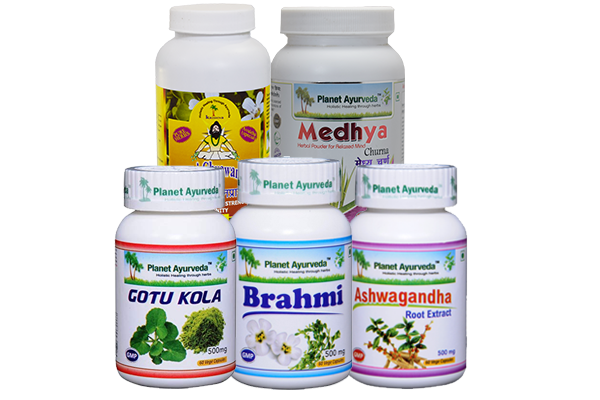
Planet Ayurveda offers a wide range of herbal products which are formulated under the direct guidance of Ayurveda doctors and are 100% natural, pure, vegetarian and free of any kind of chemicals. The wonderful herbal formulation for Dysphasia and aphasia may include Gotu Kola capsules, Ashwagandha capsules, Medhya churna, Brahmi capsules, and Brahmi chyawanprash. These products help to maintain the balance in the tridosha of the body and also improves the functioning of the nervous system which helps to treat and manage the condition.
Treatment of Dysphasia and Aphasia

Ayurvedic Medicine for Dysphasia and Aphasia

Product Description

1. GOTU KOLA CAPSULES

Gotu Kola capsules are prepared by standardized herbal extracts of Gotu kola (Centella asiatica). These herbs effectively act on the nervous system and support the health of the brain and maintain the balance in neurotransmitters. It also improves the blood circulation and metabolic processes in the body. Thus, it is an effective herbal formulation for dysphasia and aphasia.

Dosage: 1 capsule twice a day with plain after half an hour of meal.

1. ASHWAGANDHA CAPSULES

These capsules consist of the standardized herbal extracts of Ashwagandha (Withania somnifera) which act as a brain tonic and effective in various conditions like stress, anxiety, fatigue, insomnia, etc. Ashwagandha capsules help to reduce the spasm of vocal cords and also stimulates the nerves which directly helps in the treatment of dysphasia and aphasia. It also possesses anti-inflammatory, anti-oxidant, and rejuvenating properties.

Dosage: 1-2 capsules two times a day with plain water after meals.

2. MEDHYA CHURNA

Medhya churna contains various effective herbs that promote the functions of the brain and also helpful in speech disorders, speaking disabilities, etc. These herbs are Brahmi, Shankhpushpi, Vacha, Ashwagandha, Ajmoda, Shwet Jeerak, Krishna jeerak, Sonth, Marich, and Pipali. Medhya churna stimulates the motor function of vocal cord nerves which make it effective in the Treatment of Dysphasia and Aphasia. It also helps to balance the vitiated Vata and Kapha dosha in the body.

Dosage: 1/4 teaspoon once daily with 1 spoon of Cow Ghee (Clarified Butter).

3. BRAHMI CAPSULES

Brahmi capsules contain the standardized extract of Brahmi (Bacopa monnieri). This herb is a natural strong brain tonic and supports the functioning of the nervous system. It also effectively pacifies Vata dosha. These all properties make Brahmi capsules a useful herbal formulation for dysphasia and aphasia.

Dosage: 1-2 capsules two times a day with plain water after meals.

4. BRAHMI CHAYAWANPRASH

Brahmi chayawanprash is an amazing and effective herbal formulation containing more than 25 herbs along Brahmi with such as Bhumi Amla, Ashwagandha, Shatavari, Jivanti, Punarnava, Vasaka, Chandan, Choti elaichi, Pipali, Kesar, Lawang, Tejpata, Dalchini, etc. It acts as a nervine tonic and also improves immunity. It is thus helpful in various autoimmune diseases and Neurological conditions resulting in dyspepsia and aphasia.

Dosage: 1 teaspoonful twice or thrice a day with plain water or milk after meals.

Conclusion

Therefore, it has been concluded from the above information that this condition is caused by any brain damage and injury. Rehabilitation is not enough to get rid of therapy, Management of Brain Disorders also requires appropriate treatment. And Ayurveda supports complete brain health and helps treat brain damage. Planet Ayurveda offers effective Ayurvedic treatments as they earned a name by their determination and dedication to provide the best quality of Ayurvedic products.
References

Ayurvedic Treatment of Typical Hypsarrhythmia

ABSTRACT

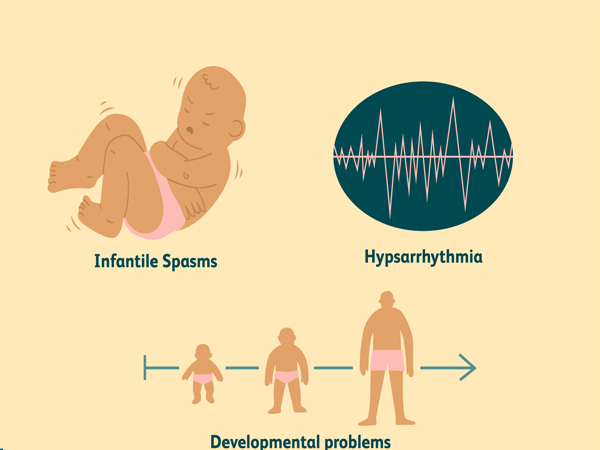
Hypsarrhythmia is a much-disorganized brain electrical activity with no recognizable EEG pattern. It plays a key role in the diagnosis of Infantile Spasms. Numerous causes are responsible for this like Central nervous system infections, brain injury, neurological disorders, etc. Usually, parents are the first ones to notice any change in the behavior of their child. The spasms begin in the initial years after the child’s birth.

The treatment options available in modern medication such as hormonal therapy, mainly corticotropin (ACTH), an antiseizure medication, mainly vigabatrin have numerous side effects such as hypertension, high blood sugar, fluid retention, Cushing’s syndrome, etc. whereas Ayurvedic treatment protocol not only increases the quality of life by repressing the symptoms of the disease but also initiate the regeneration of brain cells without any life-threatening side effects.

INTRODUCTION

Hypsarrhythmia means “mountainous activities”. In this Normal background, activities are vague; instead, continuous arrhythmic, high-amplitude, asynchronous delta activities with independent, multifocal spike discharges exist. Hypsarrhythmia is a disordered pattern of brain waves that are found in children with infantile spasms (IS).

CAUSES OF TYPICAL HYPSARRHYTHIMA(عدم انتظام ضربات القلب النموذجي)

In 30% to 40% of cases with IS, there is no noticeable cause. In the other 60% to 70%, infantile spasms are caused by a noticeable underlying condition, such as:

  • Central nervous system infections (Herpes simplex virus, meningitis, encephalitis, etc.)
  • Abnormal brain development
  • Brain injury
  • Neurological disorders with skin lesions
  • Genetic abnormalities (for example, Down syndrome)
  • Metabolic disorders

Typical Hypsarrhythmia

DIAGNOSIS OF TYPICAL HYPSARRHYTHMIA

Usually, parents are the first ones to notice the change in the motions and behavior of their child. Initially, it can be misunderstood with a colicky pain or another health issue. But with time the actions of the baby and how he/she behaves are found weird by parents. Spasms usually start within the baby’s first year. Most often they occur in the morning or after a nap, lasting from less than a few seconds to up to 10 seconds. They can occur in groups of 2 to 100 at a time.

Actions of the baby that need immediate medical intervention are:-

  • Bowing or bending from the waist while sitting
  • Nodding the head over and over again
  • Stiffness in neck, trunk, arms, and legs
  • Wrapping arms across the body like self-hugging
  • No prolonged eye contacts
  • Staring into blank spaces for long
  • Poor milestones
  • Forgetting learned skills
  • Stops smiling
  • Suffering from pain during spasms
  • Getting irritated easily

It is usually diagnosed from the history of the above signs and an electroencephalogram (EEG). EEG findings in hypsarrhythmia are bursts of bilateral asynchronous high-amplitude slow waves interspersed with spikes followed by generalized voltage attenuation. The major options for treatment of IS include hormonal therapy, mainly corticotropin (ACTH), an antiseizure medication, mainly vigabatrin. It can only be detected by an electroencephalogram (EEG). The pattern found in this is very different from a normal EEG pattern.

Hypsarrhythmia plays the key factor in the diagnosis of IS. So it is very important to capture the pattern when it happens.

Side effects of Corticotropin (ACTH)

The most common side effects of Acthar are

  • Fluid retention
  • High blood sugar
  • High blood pressure
  • Behavior and mood changes
  • Changes in appetite and weight
  • Increased risk of infections
  • Irritability

A. To Ayurveda, this condition can be correlated with “Apasmara”

  • अपगता स्मृतिरिति अपस्मार: ||

The transient loss of consciousness is termed as Apasmara.

  • अपस्मारं पुनः स्मृतिबुधिस्तवसंल्पवाद्वीभत्सचेष्टमावस्थिकं तमःप्रवेशमाचक्षते।।
  • चरक निदान स्थान 5/8

Apasmara is characterized by periodic loss of consciousness associated with aberrant activities (like vomiting of froth and abnormal postures of the body) and behavior, due to perversion of memory, intellect, and other psychic faculties. It is a disease due to the vitiation of three sharira dosha and two manas dosha.

Ayurvedic Treatment of Hypsarrhythmia

Hypsarrhythmia

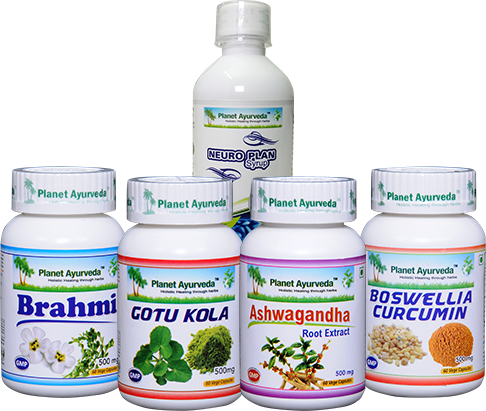
In Planet Ayurveda this condition is treated via following the treatment protocol.(علاج الايورفيدا من انخفاض معدل ضربات القلب النموذجي)

  1. Brahmi capsules
  2. Gotukola capsules
  3. Ashwagandha capsules
  4. Boswellia curcumin
  5. Neuro plan syrup

1. Brahmi Capsules(كبسولات براهمي)

  • ब्राह्मी तिक्तरसोष्णा च सरा वातामशोफजित् । (रा.नि.)

Brahmi (Bacopa monnieri) known as “food for the brain”; is astringent and bitter. It is a Kapha and Vata pacifier. Its chief properties are antioxidant, anti-inflammatory, anticonvulsant, cardiotonic, a bronchodilator, and protection against peptic ulcer. It is the finest brain tonic. Its main active ingredient bacosides promote the regeneration of brain cells. It increases the synaptic transmission among neurons. This helps in treating the patients of apasmara/epilepsy. It rejuvenates the brain, increases memory and improves concentration.

Dosage– It is prescribed in the dosage of 1 to 2 capsules with plain water or lukewarm water twice daily.

2. Gotu Kola capsules (Centella asiatica)

  • ब्राह्मी हिमा सरा तिक्ता लघु: मेध्या च शीतला ।
  • कषाया मधुरा स्वादुपाकायुष्या रसायनी ।।
  • स्वर्या स्मृतिप्रदा कुष्ठपाण्डुमेहास्त्रकासजित् ।
  • विषशोथज्वरहरी तद्वन्मण्डूकपर्णिनी ।। (भा.प्र.)

It owns anticonvulsant and neuroprotective activity. It helps in the formation of new neural pathways and also increases the retention capacity of the brain, thus can be used in the effective management of epileptic seizures and cognitive disorders. It improves the mental alertness and simultaneously reduces the stress, therefore, increases the quality of sleep

Dosage- It is prescribed in the dosage of 1 to 2 capsules twice daily with plain water or lukewarm water.

3. Ashwagandha Capsules

  • अश्वगंधानिलश्लेष्मश्र्वित्रशोथक्षयापहा ।
  • बल्या रसायनी तिक्ता कषायोष्णातिशुक्रला ।।(भा.प्र)

Ashwagandha is also known as Withania Somnifera. It is a wonder herb. It helps in strengthening the immune system. It is a potent adaptogen. It has anti-inflammatory, anti-cancerous, anti-stress and anti-oxidative properties that’s why it is used in treating various disorders related to nerve tissue damage, heart disease, atherosclerosis, and aging. It is a Vata and Kapha pacifier. Because of all these properties, it is the basic ingredient of all the formulations prescribed in musculoskeletal and nerve-related disorders.

Dosage-It is prescribed in the dosage of 1-2 capsules with plain water or milk.

4. Boswellia Curcumin Capsules

Boswellia curcumin is herbal capsules prepared from pure extracts of Shallaki (Boswellia serrata) and Curcumin (Curcuma longa).Boswellia, also known as Indian frankincense, is an effective anti-inflammatory and works great as a painkiller. As per research, the boswellic acid can prevent the formation of leukotrienes in the body. These molecules are known to cause inflammation. Curcumin is a key chemical in turmeric. It has anti-inflammatory and anti-oxidative properties. It reduces pain, inflammation, and stiffness related to nerve and joint disorders. In Ayurveda, it is well known as a cleansing agent. It helps in rejuvenating the body cells and detoxifying the toxins away.

Dosage– 1-2 capsules two times a day.

5. Neuro Plan Syrup

This syrup is a special preparation of Planet Ayurveda. Its main contents are Brahmi, Ashwagandha, Shankhapushi, and Mandukparni. Other than these includes jyostishmati, bhojpatra and madhuyashti are the rest of the ingredients. All of these show great results in nervous disorders. Together they strengthen the neural transmission and enhance the regeneration of brain cells. It improves the concentration, memory and cognitive power of the brain.

Dosage-It is advised to take it in the dosage of 2 tablespoons twice daily with plain water or lukewarm water.