Author: Dr. Vikram Chauhan

Ayurvedic Treatment For Overactive Bladder

Abstract

Overactive bladder is a name for a variety of symptoms. It’s not a disease. Bladder is a temporary reservoir of urine. Located in the pelvic region just posterior to symphysis pubis, and below parietal peritoneum. In this article, we are going to discuss overactive bladder in detail.
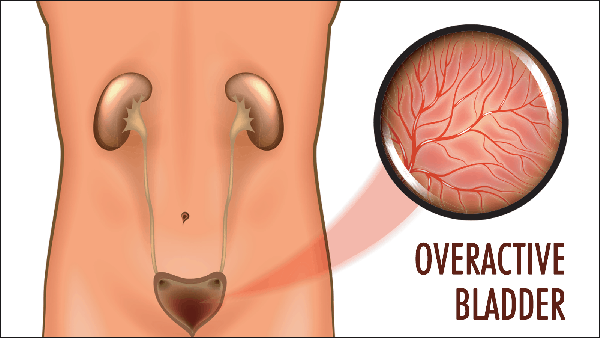
overactive bladder

Introduction

Overactive bladder also known as, uncontrolled and sudden urge of micturition and difficult to hold. And sometimes people leak urine when they don’t hold it. Those people who suffer with this may need to pass urine many times a day and night. People also suffer with considerable stress and face a negative impact on their quality of life. In Ayurveda it is mainly due to unbalanced vata doshas in our Vasti. Vasti is the Adhisthan (specific location) of mutravah srotas. When vata is unbalancing in our body it will affect the urine output. Normal level of urine output is 1.2 to 1.5 liter a day for a healthy person who drinks at least 2 liters of water. But in case of increased vata dosha in our body leads to frequent and uncontrolled micturition during the day and night.

Causes

Overactive bladder can be caused by several possible region:

  • Weak pelvic muscle:Due to Multiple pregnancy and childbirth your pelvic muscle stretches and then weakens.
  • Nerve damage- Due to any trauma and other disease that may lead to impairment with the brain signals and it includes various deformities. 
    1. Stroke
    2. Multiple sclerosis
    3. Parkinson’s disease
  • Medication, alcoholism and caffeine- All these things hinder brain signals and lead to bladder overflow. Medications like diuretics and caffeine cause rapid filling of the bladder and then may leak. 
  • Infection- Infection like urinary tract infection (UTI)
  • Excess weight
  • Estrogen deficiency after menopause
  • Diabetes

Symptoms

People suffer with various kind of symptoms

  • Urge of micturition– Urgent need to urinate when people feel and aren’t able to postpone it.
  • Frequency of Micturition– With this, people experienced urinating frequently during the whole day.
  • Nocturia– Frequent urine during night at least 2-3 times each night.

Risk Factors

The following risk factors of this disease are:-

  • Current smoking
  • Renal disorders
  • Hyperlipidemia
  • cardiovascular disease
  • Age
  • Medication of hypertension
  • Bladder disease
  • Diabetes
  • Enlarged prostate
  • Alzheimer’s disease 

Complications

People might face different types of complications and hinder overall quality of life.

Diagnosis

  • Medical history
  • Physical examination: – it includes rectal examination and in women pelvic examination too.
  • Urine sample: – for infection, traces of blood and other abnormalities
  • Neurological examination: – To check sensory problems or other abnormal reflexes 
  • Cough stress test: – In this test firstly drinking fluids to patient then refaxing for a while, after that on coughing or physical exertion cause urine incontinence.

Herbal Remedies For Overactive Bladder

Planet Ayurveda is a globally recognized firm that provides best herb remedies to the patient because it extracts pure raw materials from the herb and makes 100% genuine products with no side effects and best overall result for 20 years. In the ayurveda, one of the best methods to overcome overactive bladder is to normalize the vata dosha in the body. And planet Ayurveda provides the best ayurvedic medicines to treat the imbalanced vata dosha. Its products are pure vegetarian and naturally extracted from the herb and medicinal plant. Planet Ayurveda strictly follows the government guidelines for making their product best treatment

The following herbal remedies are:-

  1. Tribulus Power
  2. Ashwagandha Capsule
  3. Chandraprabha Vati
  4. Shilajit Capsule

overactive-bladder

Products description

1. Tribulus power

It’s a single herb remedy that is made up from Gokshura (Tribulus terrestris) best to treat the overactive bladder because it balances the vata and pitta. Also helping to improve the testosterone hormone level in the body leads to better stamina and strength. It also works as a natural diuretic and removes the excess toxin in the body.

Dosage: – one capsule twice a day with Luke warm water after meals.

2. Ashwagandha capsule

It’s a single herb remedies that is made up from Ashwagandha (Withania somnifera) best to treat the vata doshas in our body, bring strength back to muscles of bladder, relieves the muscle and effectively act as nerve tonic and boost up the physical strength as well as mental strength. It also deals with treating stress, anxiety, aging, fatigue, palpitation and nervous breakdown. It can be given to any age group children as well as old aged people.

Dosage: – one capsule twice a day with Luke warm water after meals.

3. Chandraprabha Vati

It’s a classical herbal remedies that is made up from shilajit (Asphaltum), guggul (Commiphora mukul), Sharkara (sugar), Karpoor (Cinnamomum camphora), Vacha ( Acorus calamus ), Mustak ( Cyperus rotundus) , Haridra ( Curcuma longa) , Amalaki -Amla (Emblica officinalis), Chavya (piper chaba) , vidanga ( Embelia ribes) etcetera. It’s a classical and natural mixture of herbs that help to increase the fat metabolism by enhancing the growth promoting hormones. It mainly deals with urinary tract and genital organ problems and emotionally stressed conditions.

Dosage: – 1 tablet twice a day with Luke warm water after meals.

4. Shilajit Capsules

It’s a single herbal remedy that is made up from the shilajit (Asphaltum punjabianum) best to work and improve your health and generalized weakness. In ayurveda there is shloka that tells us any disease can be cured by using shilajit  because it contains various beneficial minerals and vitamins . Also have no side effects.

Dosage: – one capsule a day with Lukewarm water.

Conclusion

It is better to take ayurvedic medicines because it has no side effects with best results over the years. Ayurveda treats patients from ancient times and effectively cures the patients. So the above mentioned medicines of herbal ayurveda are best to treat the overactive bladder because all the medicines are free from any preservatives and other chemicals that affect your health. All the herbs are purely vegetarian and made up from 100% naturally occurring organic herbs. In case of any query kindly visit www.PlanetAyurveda.com. For more queries, you can send your queries to our email id herbalremedies123@yahoo.com.
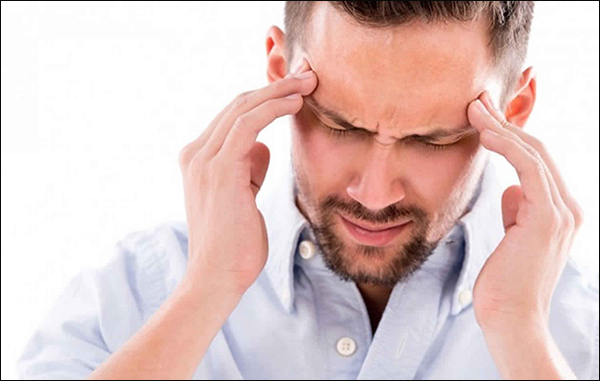
Ayurvedic Treatment For Trigeminal Autonomic Cephalalgias

Abstract

“Every head has its own headache” A simple line defining the variety of headaches. Yes it is true, the headaches vary person to person. The reason for variation is the amount of stress an individual is going through, type of work he or she is doing, their lifestyle, sleeping patterns along with their eating habits. The most common factor for common headaches is continued work or study stress followed by skipping meals and low water intake. These factors are the most contributing reasons for many types of headaches. But there are some specific types of headaches which are concerned with the nerves like Trigeminal Autonomic Cephalalgias. In this article we will discuss in detail about Trigeminal Autonomic Cephalalgias (TACs) along with its management with Ayurvedic formulations.

Trigeminal Autonomic Cephalalgias

Introduction

The Trigeminal Autonomic Cephalalgias is a group of Primary headache disorders which are generally characterised by the Unilateral head pain. It occurs in the association with the ipsilateral cranial autonomic features. The international headache society’s classification has included cluster headache, paroxysmal hemicrania and short-lasting, unilateral, neuralgiform headache attacks with conjunctival injection and tearing (SUNCT). These syndromes cause patients considerable disability and suffering. In addition, they don’t have any typical clinical profile and often present with recurrent attacks of headaches followed by specific attack free periods.

Causes of Trigeminal Autonomic Cephalalgias

The causes of Trigeminal autonomic Cephalalgias include many factors but the common ones are as follows:

  • Increased stress
  • Consumption of non proper diet or poor diet
  • Dehydration, due to low consumption of water or due to excessive intake of alcohol
  • Consumption of all types of Alcohol
  • Sleep cycle disturbances
  • Hormonal changes (mostly in females like in  mid cycle or when the cycle onsets)
  • Exposure to light
  • Change of weather (Like rain on a sunny day or sudden drop down of temperature)
  • Pulsating lights
  • It can also be the result of certain medications like histamines, nitroglycerine etc.

Symptoms & Signs of Trigeminal Autonomic Cephalalgias

The key features of this condition includes encompass group of primary symptoms which includes

  • Unilateral headaches mostly
  • Along with some ipsilateral cranial Autonomic symptoms. The ipsilateral cranial autonomic symptoms include  symptoms occurring on the similar side of the body. In this case the symptoms will be present at the same side with respect to headache.
  • The group of ipsilateral autonomic symptoms include cluster headache on the similar side. Paroxysmal hemicrania, which is characterised by claw-like, boring pain and is restricted to one side of the face. It is also present in or around the eye and occasionally can reach to the back of the neck.
  • Short lasting neuralgiform headache with conjunctival injection and tearing. Short lasting neuralgiform headache is a rare primary form of headache disorder that has infrequent attacks which lasts for seconds. The pain can be severe like a stabbing on one side of the face.
  • The cluster headache in this condition can cause suicidal thoughts as the pain is extremely severe and sometimes Cluster headache is dubbed as Suicidal headache. If the cluster pain is episodic form then it makes one suffer more and is the most common type of cluster headache.

Diagnosing of Trigeminal Autonomic Cephalalgias

The diagnosis is done on the basis of number of episodes, levels of severity, duration of headache and also on the characteristic features. Usually the diagnosis depends on the clinical features and their intensity.

Treatment of Trigeminal autonomic Cephalalgias

The treatment runs in two types:

  • Abortive treatment : Triptans, Lidocaine are used.
  • Prophylactic treatment: Glucocorticoids, galcanezumab, lithium NSAIDs are used. In addition, indomethacin is also given.

Ayurvedic Correlation for Trigeminal Autonomic Cephalalgias

This condition does not have any direct correlation in Ayurveda. But it can be well related with aggravated vata dosha. The reason for aggravation can be many things like faulty lifestyle and wrong diet habits along with a lot of stress and overthinking. All these factors result in hampered digestion and then the vicious cycle of vata dosha aggravation starts. The best way to take care of this condition or any other condition is to take care of your digestion. If your digestion is fine, no disease, no dosha imbalance will ever happen.

Herbal Formulations By Planet Ayurveda

Planet Ayurveda is a renowned Ayurvedic company which deals with the manufacturing and preparation of herbal formulations. These formulations are prepared using potent herbs and their extracts which are really effective in managing many conditions including Trigeminal autonomic Cephalalgias. The formulations or products prepared by Planet Ayurveda do not contain any kind of adulterants, dyes, additives, fillers etc. These medications are really potent in supporting the recovery of the body from this condition and hence giving positive noticeable results. The medication or formulations offered by Planet Ayurveda for the management of Trigeminal autonomic Cephalalgias are as follows:

  1. Neuro Plan Syrup
  2. Vrihat Vatchintamani Ras
  3. Boswellia+Curcumin

Trigeminal-autonomic-CephalalgiasHerbal Supplements for Migraine

Product’s Description

1. Neuro Plan Syrup

Neuro plan is prepared  using brahmi (Bacopa monnieri), Mandukaparni (Centella asiatica), Shankhpushpi (Convolvulus pluricaulis), Sonth (Zingiber officinale), Jyotishmati (Celastrus paniculatus), Ashwagandha (Withania somnifera), Bhojpatra (Betula utilis),  Madhuyashti (Glycyrrhiza glabra), Maricha (Piper nigrum) and pippali (Piper longum). It helps in relieving any type of  discomfort or negative thoughts going on inside your mind. It relaxes your all over central nervous system and has its impact even on neurons. It also enhances and strengthens intellect as well as memory. The formulation has great results in calming down the entire neural system and reduces symptoms. This formulation is a kind of boon for the whole nervous system and for brain health too. 

Dosage: Two tsp twice a day after meals.  

2. Vrihat Vatchintamani Ras

Vrihat vatchintamani ras  is a formulation  which is prepared  with Swarna Bhasma (calx of gold), Rajata Bhasma (calx of silver), Abhraka Bhasma (calx of mica), Loha Bhasma (calx of iron), Pravala Bhasma (calx of coral), Mukta Bhasma (calx of pearl) and Suta Bhasma (calx of a compound of purified mercury and sulphur). Vatchintamani ras helps in improving neuron to neuron communication. It also has a great role in pacification of aggravated vata dosha in this case. Moreover, the formulation is really best for managing pain which is the result of aggravated vata dosha. Mainly the vata is responsible for conditions like Trigeminal autonomic Cephalalgias and the anulomana or pacification of vata dosha is the best treatment.

Dosage: One tablet twice daily after meals with Lukewarm ghee.

3. Boswellia+Curcumin

Boswelli acurcumin is a combination which is prepared using two potent herbs that are shallaki (Boswellia serrata) and curcumin (Curcuma longa). The capsules are prepared using standardised extract of both herbs. These two herbs work best as an agent to reduce the inflammation and also have their effect on pain. As the inflammation subsides the pain sensation reduces. The inflammation is generally along the trigeminal nerve or of the trigeminal nerve. In addition, it also relieves the symptoms related to digestion. The presence of curcumin makes it a very good formulation for anulomana of vata dosha at koshta level and  all over formulation has great effect on pacifying vata dosha as a whole too.

Dosage: Two capsules twice daily with meals.

Conclusion

The conditions like Trigeminal autonomic Cephalalgias, can make one’s life very devastated. Recurrent pain and that too throbbing and with a lot of negative thoughts has the capacity to shatter a very strong will power. But with Ayurvedic herbs it can be carefully tackled and can be managed. The herbs mentioned above or the formulations above are really effective and give really impressive results in such conditions. The products are totally herbal and do not have any kind of adulterants in them. They can surprise you with their effects and make you free from suffering and pain. In case of any query kindly visit www.PlanetAyurveda.com. For more queries, you can send your queries to our email id herbalremedies123@yahoo.com.