Author: Dr. Vikram Chauhan

Can Neem help to cure acne permanently?

Introduction

Neem, is a holistic remedy for acne & pimples. It consists of anti-viral, anti-fungus, anti-septic, anti-oxidant, astringent and anti-inflammatory features. Instead of broccoli, blue berries and all such herbs, neem is extremely much stronger. Thus neem freezes the free radicals and stimulates the immune system, making it more powerful. You can apply its oil or use soap on your skin or hair, it heals all the damages that have happened earlier and makes you feel rejuvenated. Along with this, as a bonus, it erases wrinkles and is anti-aging. It does have a bitter taste, but if you are able to drink neem leaves juice, it purifies your blood and makes your skin supple. You can also add raw honey to decrease its bitterness.

10 Amazing Benefits Of Neem Paste


Neem leaves have an ingredient called quercetin, which reduces the inflammation, the redness from skin and is very effective on pimples and acne, it sooths down the skin. Neem also contains salicylic acid that is strongly anti-bacterial, doesn’t allow any disease infect your skin. So acne is afraid to breakout. Oil, which is extracted from neem tree’s bark is quite nourishing, because it contains healthy fats and hydrating material. Thus, neem holds a high value in Ayurveda, of a remedy that cures all skin problems.

What are the Different Methods to use Neem for skin?

Yogurt and Neem Pack:

  • Neem, when mixed in yogurt is too beneficial in keeping your skin radiant and flawless. Yogurt helps in removing the dryness and moisturizes the skin and neem is anti-bacterial, which doesn’t allow the acne to break out, if it already has, neem helps in curing it.

skin radiant

How to Use

  • Take a hand full of neem leaves and put them in the sunlight. Within a few days they will dry down. Grind them and make their powder. Take 2 teaspoons of this powder and mix with 1 teaspoon of Gram flour (besan in Hindi). Mix them both and add some yogurt to it, to make a paste.
  • Apply this paste to the infected part, gently and evenly. Leave it there for 20 minutes. The moment it dries up, wash with plain water and pat dry. Don’t wash with any soap, as it increases the dryness. The whole procedure should be done at least twice a week, to get a fair amount of positive result.

Neem & Rosewater:

  • The moment you feel that acne has broken out, begin its cure, as initially it can be nipped in the bud.
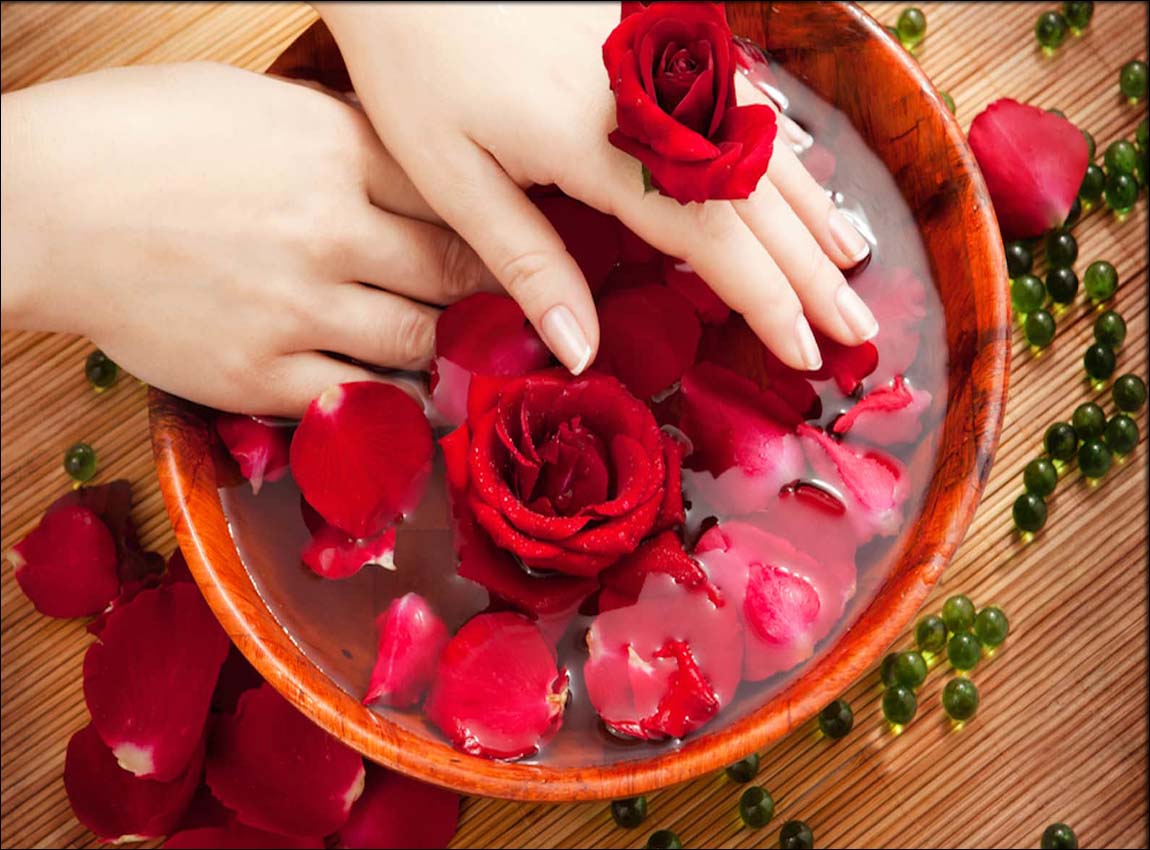
Skincare Treatment

How to Use

  • First dry some neem leaves to make powder. Make a paste by adding some rose water to it. Softly apply this paste evenly on the infected portion attentively. No paste should go in your eyes; your eyes can get hurt, creating further trouble. Let it rest there for the whole night. Next morning you will be surprised to find the pimple missing. Repeat this procedure for 2 to 3 times and all pimples and their marks will fade completely.
  • You can also use the neem leaves in your bath every day, for shielding your skin against any infection. Boil some leaves of neem in water and take out the residue and put it in your bath tub or the bucket you are using to hold bath water.
  • There is another way, put a few leaves in your bath tub water and wait for some minutes for having the bath. The skin all over your body will remain uninfected and look supple.

Neem & Multani Mitti Pack:

  • Making this pack is very easy for you at home. It helps in reducing acne and pimples to a great extent. Multani mitti is cool and it helps in soothing your skin. Your skin texture will become supple and glows more that the original.

Neem & Multani Mitti Pack:

How to Use

  • You can get this multani mitti from any riverbeds and mix it with the powder of dried neem leaves. Add a single teaspoon of neem powder with a handful of multani mitti and make a paste by adding some plain water. Tenderly rub this paste on the infected part, evenly.
  • Let it remain there for 20 minutes and after that wash with plain water. It will also help in removing any blemishes left behind by acne and pimples or any other things. It will make your skin more supple than the original. But better be regular in following this procedure.

Neem to Erase Acne Scars:

  • After you get cured from this acne and pimples, their marks keep taunting you for a long time. You try some creams and ointments, which give you a guarantee of 100% in removing the scars, but most of them, prove without even fading them a little bit. You can become angry and feel frustrated. This is the time you turn to neem seeking help, it does do that.
  • It has strong anti-inflammatory features that help in removing these marks and scars. Better get a reputed pack of neem to attain a radiant and spotless skin.

Neem and Sandalwood Face Pack:

  • Sandalwood also kills the burning and itching that your skin is feeling when an acne has out broken on your skin. Neem, when is combined with sandalwood makes a killer pack for acne to all skin types.

How to Use

  • Boil some neem leaves in water and then filter it down the moment it cools down. Mix sandalwood powder in it to make a paste.  Apply on the infected area, smoothly and evenly. Let it dry itself for 20 minutes and then wash it with plain water and pat dry. It reduces the acne and pimples to zero level and makes your skin go lighter in shade. It also brings a pinkish tinge on your cheeks.

Note

  • All these remedies have a significant role to play when the removal of acne arises. Neem is so strong and mixing it with the above mentioned recipes can bring you laurels. Neem has a strong presence in the Ayurvedic world since time immortal. You better Consult an Ayurvedic Doctor before you begin using these remedies as he/she can give the best advice, to try which remedy and how to use it. Follow his prescriptions precisely and you have a glowing and supple skin.
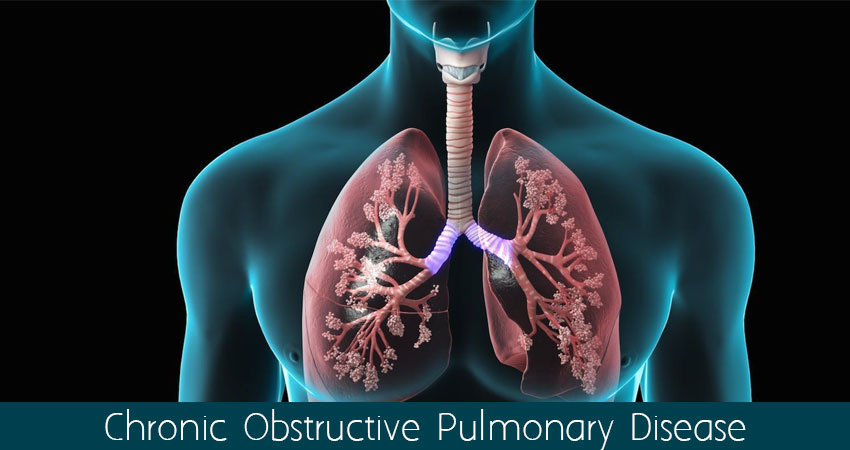
How to Treat Chronic Obstructive Pulmonary Disease (COPD) in Ayurveda ?

COPD is a term used for a group of lung conditions that results in breathing difficulties. It includes emphysema, chronic bronchitis and bronchiectasis. It is characterized by obstructed airflow from the lungs resulting in breathlessness. COPD has become one of the leading cause of deaths worldwide.

copd

What are the Signs and Symptoms of COPD?

Coughing and shortness of breath may be easily thought as a normal part of the aging process or some common flu but it can be signs and symptoms of COPD. This why it is important to talk about it to your doctor.

  • Difficulty in breathing.
  • Frequent coughing.
  • Wheezing
  • Tightness in the chest
  • Fatigue
  • Frequent respiratory tract infections.
  • Cyanosis, i.e. bluish discoloration of lips and nail beds.
  • Weight loss
  • Loss of appetite.
  • Anxiety

What are the Types of COPD?

1. Emphysema

In this condition, tiny air sacs, i.e. alveoli of the lungs are damaged due to inflammation and scarring. Lungs lose their elasticity resulting in air trapping.

2. Chronic bronchitis

There is inflammation of airways for a considerable time causing scarring and thickening of lungs. It results in increased formation of mucus which fills the airways causing difficulty in breathing.

3. Bronchiectasis

In this conditions dilatation of airways occurs due to recurrent respiratory infections. Recurrent infections cause inflammation and increased mucus production.

What are the Causes of COPD?

It is mostly caused due to inhaling pollutants or tobacco smoking.

  • Cigarette smoking.
  • Exposure to chemicals due to the occupation.
  • Air pollution either indoor or outdoor.
  • In rare cases genetic disorder known as alpha-1-antitrypsin deficiency (AAT-deficiency). In this type of case, a person who has never been exposed to smoke or other pollutants can suffer from COPD.

How to Diagnose COPD?

  • Complete history and physical examination of the patient is a must.
  • Pulmonary function tests, specifically spirometry test. Spirometry is a non-invasive test which is used to diagnose COPD.
  • Blood tests including CBC, Hb level.
  • Chest X-ray.
  • Screening of AAT deficiency.

Why it is Important to get Tested for Chronic Obstructive Pulmonary Disease?

If symptoms of COPD are left untreated, undertreated or misdiagnosed can result in worsening the disease and condition of the patient.

How can COPD be Treated?

In the conventional system of medicine there is no proper treatment of COPD. Treatment includes medications, oxygen therapy, pulmonary rehabilitation, pneumonia vaccine and lung surgery or airways clearance techniques. However, all these methods of treatment have many side-effects.

What is the Ayurvedic concept of COPD?

According to Ayurveda COPD is caused due to vitiated Prana Vayu. Kapha dosha obstructs the normal movement of vayu. It changes the normal direction of flow of air. As air is not able to perform its normal functions hence resulting breathing problems.

How can Ayurveda help in Treating COPD?

Ayurveda can help in two ways, i.e. management and cure of the disease.

  • Management of the disease and maintain health which in Ayurveda is called Swasthasya swasthya rakshanam. It is done in the following ways
  • Keep home clean and dust free. Remove molds and mildew from sinks and bathroom.
  • Avoid going to crowdy places when flu season is at peak.
  • Wash hands often and avoids exposure to cold air.
  • Go for morning walk daily.
  • Do not suppress natural urges like urination, defecation, flatus, sneezing, vomiting, sneezing, eructation’s, thirst, hunger, tears, and sleep.
  • Take nutritious food and in moderate amount. Do not overeat or under eat.

Cure of the Disease

Which is called Aturasya vicar prashamanamcha in Ayurveda. In this it is suggested:

  • Ayurvedic medicines are completely natural and herbal which treats the disease naturally without causing any side-effects.
  • Avoid triggering factors like heavy exercise, smoking and pets.
  • Quit smoking
  • Maintain personal hygiene.

Ayurvedic Treatment of COPD

Planet Ayurveda offers COPD care pack for the treatment of chronic obstructive pulmonary disease without causing any side-effects.

1. Vasaka Capsules

These capsules are very effective in treating COPD. Vasaka capsules are prepared from an extract of Adhatoda vasica (vasaka). As these capsules have mucolytic and expectorant action which helps to liquefy the mucus in airways and aids elimination of the mucus from the body. This helps to clear the airways and proper breathing. It relieves shortness of breath, wheezing, and tightness of chest.

Dosage :- Take two capsules twice a day after meals.

copd-care-pack_1
button

2. Praanrakshak Churna

This churna helps to manage and treat symptoms of COPD. It is an herbal blend of following herbs

  • Shirish (Albezzia lebbock)
  • Vasa (Adhatoda vasica)
  • Anantmool (Tylphora asthmatica)
  • Twak (Cinnamomum Zeylanica)
  • Bharangi (Clerodandrum serratum)
  • Kantkari (Solanum xanthocarpum)
  • Mulethi (Glycyrrhiza glabra)

It treats COPD and manages any complication associated with it. Antioxidant action of this churna helps in healing lung tissues and improves oxygen exchange in the blood.

Dosage :- Take one teaspoonful of this churna two times a day and boil in 400 ml water until this solution remains 50-60 ml. Strain and drink it.

3. Curcumin Capsules

These capsules are very effective in treating chronic pulmonary obstructive disease and its associated complaints. It is made from Haridra herb (Curcuma longa). In Ayurveda, it is a very famous herb used for treating respiratory complaints. Antioxidant properties of these capsules help in eliminating free radical and toxins from the body and increases the immunity of the body. It relieves symptoms like wheezing, cough, and tightness of chest. Curcumin capsules also purify the blood.

Dosage :-Take two capsules twice a day after meals.

4. Tulsi Capsules

It is prepared from Ocimum tenuiflorum (tulsi) which have many health benefits. Breathing is eased due to its calming and soothing effects. Improves lung functions due to its anti-oxidant properties.

Dosage :- Take one capsule two times a day after meals.

5. Kaashar Churna

It is made from combinations of various herbs listed below

  • Mishri (Crystallized sugar lumps)
  • Vanshlochan (Bambusa arudinacea)
  • Pippali (Piper Longum)
  • Dalchini (Cinnamomum zeylanica)

Kaas har churna is rich in anti-inflammatory and antimicrobial properties. It boosts up immunity and fight helps the body to fight against various infections and diseases. Herbs from which this churna is made helps to maintain healthy functioning of lungs.

Dosage :- Take one teaspoon of this churna two times a day after meals.