Author: Dr. Vikram Chauhan

How can Ayurveda kick allergy out of the body naturally?

Allergy and Ayurveda:Overview

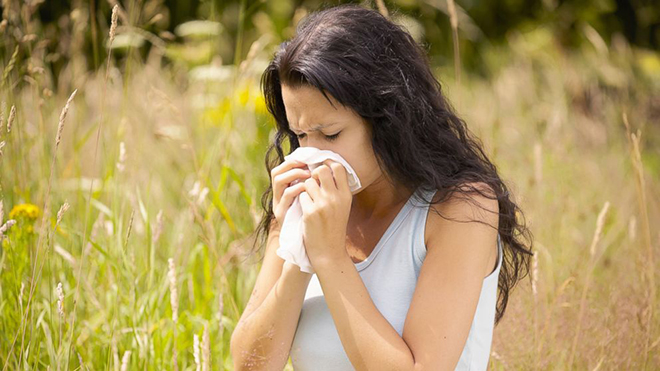
ALLERGY’ is an overreaction of the body’s immune system to certain substances which it misidentifies as harmful. This overreaction of the immune system is called an ‘allergic reaction,’ and the substances which trigger such a reaction are called ‘allergens.’

An allergy or allergic reaction generally manifests itself in the form of some commonly-occurring disorders of the skin and respiratory system. These disorders include eczema, hives, asthma, hay fever, and food allergies.

AYURVEDA’ is an ancient, holistic (whole body) system of medicine, which is based on the belief that health and wellness depend on a delicate balance between the mind, body, and spirit. The core concept of Ayurveda is that an equilibrium of the body’s three fundamental bio-elements or ‘Doshas’ —Vata, Pitta, and Kapha — leads to good health.

The main aim of Ayurvedic medicine system is to prevent the occurrence of diseases and to promote health and well-being. To achieve this aim, Ayurvedic experts mainly depend on the use of herbal formulations to treat diseases naturally, and also recommend dietary and lifestyle changes to patients suffering from different disorders.
Herbal Remedies for Allergy

Ayurvedic Perspective of Allergies

According to Ayurveda, allergies are generally a result of an excess of the Kapha and Pitta dosha, or the earth and fire elements. Ayurveda believes that the main causes behind the occurrence of allergies are accumulation of toxins and low immunity.

More specifically, the Ayurvedic viewpoint of allergies is that ‘genetics’ is the primary reason that causes an individual to suffer from allergies. These are considered to be a result of the one or all of the following conditions:

  • Weak agni (digestive fire)
  • An individual’s state of vykruti (imbalance)
  • The presence of ama (undigested or poorly digested food which turns toxic and interferes with the bodily processes).

The management of allergies naturally with the help of Ayurveda involves the diagnosis of the root-cause of allergy for every individual patient, and its subsequent treatment.

How Ayurveda can treat allergy naturally?

Ayurveda can effectively kick allergy out of the body naturally with the help of herbal formulations which can cure different types of allergies by:

  • Detoxifying the body by eliminating toxins.
  • Strengthening the immune system.

In addition, Ayurveda practitioners also suggest some necessary modifications in the diet of patients suffering from allergies.

More specifically, Ayurveda is beneficial in treating Vata, Pitta and Kapha types of allergies in the following ways:

Vata allergies

  • According to Ayurveda, Vata allergies are caused because of dryness, and their symptoms mostly include dry cough with, insomnia and anxiety.
  • To cure Vata allergies,Ayurvedic practitioners recommend that patients should drink tea made from ginger root (Zingiber officinale) 4-5 times a day, and also inhale sesame oil.

Pitta Allergies

  • These allergies cause excessive heat in the body, and are associated with symptoms like burning eyes, rashes and loose stools.
  • Ayurvedic cure of these allergies involves the consumption of tea prepared from Neem leaves (Azadirachta Indica), and also a mixture of warm milk and half a teaspoon of turmeric (Curcuma Longa) powder. Moreover, patients are also asked to inhale coconut oil 2-3 times a day.

Kapha allergies

  • These allergies are developed due to moist, humid conditions and their symptoms include slow digestion, and mucus production.

Management and Treatment of Allergies

  • For relief from these allergies, Ayurvedic experts recommend that patients should drink one glass of warm water with half teaspoon of liquorice (Mulethi or Glycyrrhiza glabra), after every meal. Another method of treatment is to take half a teaspoon of ‘Sitopaladi’ churna with honey, three times a day.
  • Other than the above-mentioned Ayurvedic treatments for different types of allergies, there are some excellent herbs which are considered to be extremely beneficial for relief from allergy in general

The widely-known anti-allergy herbs include:

  1. Haridra (Turmeric Rhizome -Curcuma Longa)
  2. Neem (Azadirachta Indica)
  3. Ashwagandha (Withania somnifera)
  4. Tulsi (Ocimum sanctum)
  5. Shirish (Albezzia lebbock)
  6. Dalchini (Cinnamomum zeylanica)
  7. Mulethi (Glycyrrhiza glabra)
  8. Bharangi (Clerodandrum serratum)
  9. Kantakari (Solanum xanthocarpum)
  10. Manjistha (Rubia cordifolia)
  11. Vaasa (Adhatoda vasica)
  12. Anantmool (Tylphora asthmatica)

Ayurveda can effectively treat allergies in a natural manner if the patients follow some strict guidelines with regard to changes in diet and lifestyle habits, along with taking herbal formulations. In specific, patients suffering from allergies can gain benefits from Ayurvedic treatment if they remember that:

  • Heavy foods — like meats, nuts, sugar, dairy products, and processed foods — should be avoided
  • Iced beverages should be avoided
  • Plenty of warm water should be consumed throughout the day
  • Eating habits should be altered, so that the lunch is a hearty meal while the dinner is a light meal
  • Exercise should be made a part of daily routine, for stimulating agni and eliminating ama
  • Yoga breathing practices should be tried in order to relax the body and the mind
  • Adequate sleep should be ensured
  • Intense stress should be avoided because it can aggravate allergies
  • Herbal oil massage should be done to improve blood circulation and eliminate allergy-causing chemical toxins.

In addition to the above-mentioned guidelines for allergy management, there are also some other Ayurvedic approaches to treat allergies. These approaches are listed below:

  • Use a Neti pot once or twice a day, with a weak saline solution and distilled water, to reduce the heaviness of Kapha.
  • Practice ‘Nasya’ (nearly one hour after using Neti pot) by dabbing some sesame oil spiked with eucalyptus/camphor in both nostrils
  • Practice a daily ‘Pranayama’ routine which should include Kapalabhati (skull-polishing breath), Dirgha (three-part breath), Ujjayi (ocean-sounding breath), and Bastrika (bellows breath)
  • Take a Kapha-reducing diet that includes warm, light, natural, and cooked foods which can be easily digested
  • Increase the use of ‘warming’ spices — like ginger, cinnamon, black pepper, turmeric, and cumin — in cooking

Conclusion:

  • Ayurveda can kick out allergies from the body in a safe and natural manner. However, it is advisable that people suffering from allergies should have their allergy diagnosed properly, and should consult a  registered Ayurveda practitioner for guidance related to the best diet plan for them, as well as the use of the most suitable herbal formulations to cure the allergy.

Free Consultation on Whatsapp

How to Control High Blood Pressure – Hypertension

High Blood Pressure is getting common these days and we can say its one of the common complaint which can be done by any age group. The definition of blood pressure medication- The pressure made by blood on the walls of arteries while flowing through them. It can be systolic blood pressure-Is the pressure in the blood vessels when the heart contracts and send the blood to the arteries.

Diastolic Blood Pressure – It is a pressure in the arteries when the heart rest between the pumping of blood. In other words, we can say- Hypertension is described as raised blood pressure on the walls of arteries, both systolic and diastolic.

High Blood Pressure

What is the Normal Range of Blood Pressure?

  • The normal BP is 120/80mm Hg, which may vary depending on age and sex. In Hypertension Systolic BP raise to or above 140mm Hg and Diastolic raise to or above 90mm Hg.

Eating Habits

  • Our eating habits play an important role in managing one’s health condition. What we eat is not proper or healthy, doesn’t suit our body leads to many health issues. Same goes with high blood pressure, the diet and lifestyle should be appropriate.

So let’s discuss the diet to have a healthy and normal blood pressure which can keep us far from High blood pressure.

  • When one feels sudden headache, weakness and dizziness- it can be due to fluctuation in the normal blood pressure. It can be high or low. The older or the aged people face the problem of high or low BP more commonly.
  • Some people take medication to immediately control the high blood pressure and some believe in home remedies and ayurvedic treatment. One who is suffering from high BP should be aware of the diet that should be followed along with the treatment. Today through this article we will explore the diet for maintaining normal BP.

Normal Blood Pressure

The Normal and healthy BP-120/80 mm Hg, which may vary according to the age, sex and health condition of a person.So when the blood pressure (BP) is high its called Hypertension/ High blood pressure and when its low is Hypotension/ low blood pressure. When our blood pressure is high, our heart has to work hard for the supply of blood which can result in the weakness of heart. When one knows and eats the right and healthy diet than can’t stop the development of this disease.

When one faces these Symptoms Should take the Consultation

  • Headaches
  • Shortness of breath
  • Nosebleeds
  • Flushing
  • Dizziness
  • Chest pain
  • Visual changes
  • Blood in the urine
  • Weakness and blurred vision
  • Difficulty to speak and understand anything
  • Feeling of heaviness and pain in the chest

The Healthy Diet that has to be followed in High BP

  • The food should be rich in magnesium, calcium, and potassium. Green vegetables, lentils, beans, onions, garlic, almonds, and oranges. These nutrients are adequate.
  • Daily eat fruits and 3 to 4 walnuts and almonds 7 to 5should be added in the diet.
  • Fruits- Apples, guava, pomegranate, banana, melon, grapes, eat pineapple,, and papaya.
  • Garlic has anti-lipid, anti-cholesterol, and blood thinner property which makes it healthy to be eaten in high BP. Every morning on an empty stomach eat 2 buds of garlic for 3 months. This measure seems to control BP.
  • Citrus fruit, lemonade, soup, coconut water, salad, soy, edible linseed, and black gram.
  • Spinach, cabbage, goose foot, apple gourd, pumpkin, green leafy vegetables and pumpkin can be taken asyour high blood pressure diet and exercise along with it
  • The water intake should be good. 8 to 10 glasses of water must be drunk.
  • Soybean oil should be used for cooking food as it is a good remedy for high blood pressure.
  • Intake of salad in your diet is very healthy. Add onions, tomatoes, radish, carrot, cucumber, and cabbage in the salad. It will help in keeping BP normal.
  • Low-fat milk and buttermilk can be taken without adding salt in it. If one is having high blood pressure should include omega-3, walnut, linseed, and almonds in their diet.

The Diet that has to be stopped in high BP

  • Intake of salt should be less
  • Taking too much coffee and tea can be the reason for high BP
  • Cooking should be done without salt to avoid and manage symptoms of high BP
  • Avoid taking- Azinamoto, baking powder, baking soda, and sauces
  • Avoid packed food
  • Fatty and greasy food should be avoided
  • Avoid consumption of alcohol and smoking

The reasons which lead to high blood pressure are-

  • Disturbed lifestyle
  • Tension
  • Obesity
  • Age factor
  • Unhealthy eating habits
  • Kidney failure
  • Genetic reason
  • Diabetes
  • Obesity
  • Too much physical exertion
  • Pregnancy

Planet Ayurveda offers an herbal pack which is made by the combination of herbs. These are pure and natural recommended by CEO and founder of Planet Ayurveda. The herbs used in this pack have the potency to manage and treat the Hypertension / High Blood Pressure. The pack is HYPERTENSION CARE PACK

What are the Best Herbal Remedies for HYPERTENSION

ARJUN TEA

  • It is a herbal tea and one of the bestselling classical products by Planet Ayurveda. This herbal tea is the formulation of herbs- Terminalia Arjuna, Cinnamon, Cardamom, Boerrhavia diffusa and Ficus religiosa. The main ingredient of the herbal tea is Arjuna tree bark. Arjun Tea is a natural supplement which can be used daily and this is used as a health beverage to support the circulatory system and maintain healthy cholesterol levels in the blood.

TOTAL HEART SUPPORT

  • This is in the form of capsules and is made by the combination of standardized extracts-Arjuna (Terminalia Arjuna), Ashwagandha (Withania somniferum), Brahmi (Bacopa monieri) and Shankhapushpi (Convolvulus pluricaulis). These capsules help to maintain the heart muscles and support the nervous system .

PITTA BALANCE

  • It is again in capsule form and is a natural supplement which supports the digestion and maintains the health of the stomach and the intestines. These herbal capsules are made with the combination of- Praval Pishti, Akik pishti, Jawar mohra pishti, Kamdudha ras, Mukta pishti, and Giloy satva.

SARPAGANDHA GHAN VATI

  • It is in tablet formula and is a single herb formulation- Sarpagandha (Rauwolfia serpentina). This herbal plant contains alkaloids, carbohydrates, glycosides, flavonoids, phenols, resins, tannins, saponins, and terpenes in it. This herb is given with a combination of other herbs and it supports healthy blood pressure.
  • . Sarpagandha Vati is very effective in maintaining a healthy sleep pattern and helps in maintaining healthy circulatory system.

Herbal Remedy for High Blood Pressure

Recommended Dosage

  • Arjuna Tea – 1 cup once daily.
    Total Heart Support – 1 capsule twice daily after 30 mins of the meals.
  • Pitta Balance – 1 capsule twice daily after 30 mins of the meals.
  • Sarpagandha Ghan Vati – 2 tablets twice daily after 30 mins of the meals.

Note

  • Taking healthy diet along with HYPERTENSION CARE PACK is the best way to avoid high blood pressure also control and manages the raised level of BP.