Natural Cure For Dementia
Abstract
Dementia is a condition where some cognitive functions like thinking, memory, reasoning and judgment can interfere with one’s social life. Women are more affected than men. Dementia itself is not a specific disease but is caused by some diseases like Alzheimer’s disease and accounts for most of the cases of dementia around 70% of cases. It can be reversible depending on the cause in some cases. In this article we will discuss the causes, signs and symptoms of dementia and how it can be managed by using natural ayurvedic herbs and the ayurvedic viewpoint of dementia.
Introduction
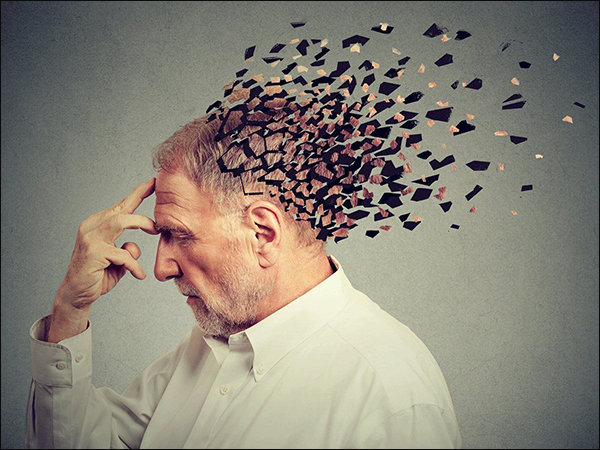
Dementia usually leads to deterioration of cognitive function and affects memory, thinking and reasoning and leads to impact on one’s life. Dementia has physical, physiological and social impact in people. Dementia affects older people but according to the cause it can affect people of any age group nowadays pertaining to the change in dietary and social lifestyle. It is a neurodegenerative disorder. It is caused by abnormal brain changes. It can be reversed in some cases while it can stay for a long time.
Ayurvedic View
In ayurveda dementia is generally associated with the vitiation of vata disorder where neurodegeneration occurs in the brain tissues leading to cause moha type symptoms where one faces difficulty in concentrating, low social activity, loss of interest in things at once loved doing. It comes under manovikshipti (psychosis) of manas vyadhi (mental disorder) which is caused due to following reasons.
- Asatmendriyasamyoga
- Pragyapradha
- Parinam
In asatmendriyartha samyoga five senses like strot (ear), twak (skin), chaksu (eyes), rasna (tongue) and ghrana (nose) are having atiyoga, ayoga and mithyayoga among themselves. In pragyapradha there is the vitiation of dhi, dhriti and smriti after that doshas start getting imbalanced. While in parinam there is atiyoga, ayoga and mithyayoga of kala or time. It is also mentioned under psychosis type mental disorder according to acharya charaka where a person starts having intense thoughts over certain happenings and he starts getting aloof from the social life. He always seems agitated and restless.
According to its symptoms it is managed in ayurveda by adopting satvavjaya and devvyapashraya chikitsa with neuroprotective drugs and nerve strengthening natural herbs like ashwagandha, brahmi, haridra, shankhpushpi having anxiolytic and antioxidant effects. In satvavajaya, a chikitsa patient is asked to have a balanced and calm life by focusing on the good work, basically he is given a positive attitude. In devvyapashrya chikitsa he is told to focus on spiritual work.
Mental disorders in ayurveda are also managed with other things like snehna (oelation), swedna (sudation), basti (enema), nasya etc.
Some ayurvedic formulations used are
- Smritisagar ras
- Ashwagandha churna
- Jyotishmati churna
- Brahmi vati
- Mahakalyanaka ghrita
- Brahma rasayan
Signs & Symptoms
Some early signs of dementia are
- Memory changes- it involves short term memory loss
- Poor judgment
- Repetitiveness
- Mood changes and loss of interest
- Difficulty communicating
- Reduced concentration
Symptoms
- Difficulty with everyday tasks
- Confusion in familiar environment
- Forgetfulness
Some of the conditions or signs and symptoms of dementia start out slowly and gradually get worse so it is better to consult a physician if you start experiencing any difficulty in day to day life.
Causes
It is generally caused by damage to the nerve cells and it causes symptoms depending on the area of the brain involved or affected. Its causes are differentiated according to the reversible and irreversible or progressive dementias. Dementia conditions that can be reversed-
- Medication side effects: some medications reactions and interaction may lead to the condition.
- Brain injury: some subdural hematomas may result in old age after a fall.
- Nutritional deficiency: inadequate or low intake of vitamin B1
- Chronic alcoholism leads to reduction of the vitamin b complexes in the body and hampers with its absorption.
- Hypoglycemia
- Stroke
- Thyroid problem
- Brain tumors
- Some immune related disorders
- Inadequate sodium and calcium
Some progressive dementias that are not reversible include
- Vascular dementia- It occurs because of blood vessel blockage in the brain hampering the blood supply to the brain leading to stroke like conditions
- Alzheimer’s disease- patients with Alzheimer’s disease have plaques in their brain, these are the clumps of a protein called beta-amyloid they damage healthy neurons and fibres thus hampering the neuronal exchange in nerves.
- Mixed dementia- in mixed dementia there is involvement of more than one cause where both diseases Alzheimer’s and vascular dementia may be associated.
- Fronto-temporal dementia
- Dementia associated with parkinson’s disease
Dementia can also be categorized into Alzheimer’s and non-alzheimer’s, where Alzheimer’s are presented with symptoms of memory loss and aphasia, inability to move muscles, inability to recognize speech. Non alzheimer’s dementia is included in fronto-temporal lobe degeneration
Diagnosis
Dementia is generally diagnosed by taking careful medical history, physical examination and clinical signs and symptoms. Some imaging tests like CT, MRI and PET scan can be done along with that patients will have to undergo memory tests, problem solving, language skills to identify the area affected.
- PET scan- shows the presence of amyloid proteins in the brain
- Lab test- to detect Vitamin B12 deficiency, thyroid and sugar levels
- CT scan- to detect tumor or stroke
Treatment
Some drugs are used to treat people with dementia like donepezil, galantamine and memantine using these drugs affects the chemical processes in the brain. They have shown to improve memory in some patients.
Prevention
Mainly preventing the causes of dementia is always the necessity by reducing the chances of high blood pressure, blood sugar, weight and keeping the brain active and fueled by increasing blood supply and oxygen levels for normal brain function.
- Stop alcohol and smoking
- Stay socially active
- Solve puzzles and play games for stimulating mental health and brain
- Exercise daily
Herbal Remedies For Dementia By Planet Ayurveda
Planet ayurveda provides some polyherbal medicines to manage dementia like symptoms having brahmi (Bacopa monnieri), gotukola (Centella asiatica), jyotishmati (Celastrus paniculatus), shankhpushpi (Convolvulus prostratus), Ashwagandha (Withania somnifera) are used to protect the brain tissues.
- Brahmi Capsules
- Medhya Churna
- Memory Support
- Gotukola Capsules


Product’s Description
1. Brahmi Capsules
It is a medicine made up of brahmi (Bacopa monnieri) which is cold in potency and balances vata and pitta disorder to manage the neurological imbalances in the body and maintain nerve and mental balance.
Dosage– 1 to 2 capsules twice daily with plain water after meal.
2. Medhya Churna
This medicine is made up of herbs like ashwagandha, brahmi, vacha, ajmoda and various other herbs where ashwagandha is having ushna (hot), snigdha, madhura (sweet) guna which decreases kapha and toxins from the body and decreases stress and anxiety.
Dosage– 1/4 teaspoon once daily with 1 spoon of Cow Ghee (Clarified Butter).
3. Memory Support
It is a polyherbal medicine made up of brahmi (Bacopa monnieri), vacha (Acorus calamus), shankhpushpi (Convolvulus pluricaulis) and liquorice (Glycyrrhiza glabra) for memory sharpening and improves concentration.
Dosage-1 to 2 capsules twice daily with plain water after meal.
4. Gotukola Capsules
These capsules are made up of gotukola (Centella asiatica) which balances all three doshas, improves memory, slows the progression of brain cell degeneration and maintains healthy blood circulation in the body.
Dosage– 2 capsules twice daily with warm water.
Conclusion
Dementia progression and its symptoms are managed by using these natural herbs which are made up of 100 percent natural extract and free from any side effects and can be taken by people of any age group. In case of any query kindly visit www.PlanetAyurveda.com. For more queries, you can send your queries to our email id herbalremedies123@yahoo.com.