September 19, 2026
AN OVERVIEW OF KALARI MASSAGE AND ITS COMPARATIVE DIFFERENCE FROM AYURVEDIC ABHYANGA
ABSTRACT
Kalari massage is an ancient therapeutic bodywork system originating from Kerala, India, closely associated with the martial discipline of Kalaripayattu. Traditionally practiced for enhancing physical stamina, flexibility, and post-injury recovery, it combines medicated oils, rhythmic manipulations, stretching techniques, and marma stimulation to improve musculoskeletal efficiency and neuromuscular coordination. Despite sharing certain features with Ayurvedic massage practices, Kalari massage possesses distinct therapeutic objectives and application methods. This article reviews the historical evolution, therapeutic principles, procedural techniques, medicinal significance, and modern relevance of Kalari massage. Additionally, a comparative evaluation with Ayurvedic Abhyanga is presented to clarify differences in intensity, purpose, and clinical utility. The study also explores the emerging significance of these traditional therapies in rehabilitation, pain management, sports medicine, and preventive healthcare, highlighting their contribution to integrative wellness approaches.
INTRODUCTION
India possesses a long-standing heritage of therapeutic body therapies developed for maintaining physical strength, restoring health, and preserving longevity. Traditional healing systems particularly emphasized external therapies to support musculoskeletal function, circulation, and vitality. Kerala, recognized for its rich medical and martial traditions, contributed significantly to this legacy through specialized manual healing practices. One notable therapeutic system that emerged from this region is Kalari massage, historically linked to the training and recovery of Kalaripayattu practitioners. Martial artists required exceptional flexibility, balance, agility, and muscular endurance, creating the need for a systematic method of physical conditioning and rehabilitation. Over time, Kalari massage evolved beyond martial training and became useful for musculoskeletal discomfort, stiffness, fatigue, and mobility-related concerns. Alongside this, Ayurveda describes Abhyanga as an oil-based therapy intended to support bodily nourishment and maintain physiological harmony. Although both therapies involve oil application and manual manipulation, their foundational philosophy, treatment goals, and therapeutic intensity differ considerably, making their comparative understanding clinically valuable.
WHAT IS KALARI MASSAGE?
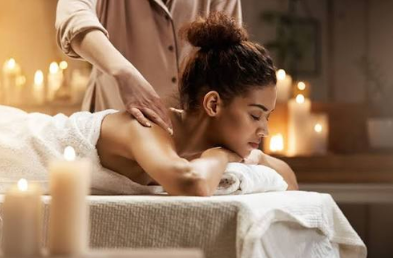
Kalari massage is a specialized therapeutic bodywork technique that originated in Kerala, India, as an important component of Kalari Chikitsa, the healing branch associated with the ancient martial art of Kalaripayattu. Traditionally developed to strengthen warriors, improve agility, and aid recovery from injuries, this massage system is recognized for its rehabilitative and performance-enhancing properties. Unlike gentle relaxation therapies, Kalari massage involves deep tissue manipulation, rhythmic strokes, controlled stretching, and stimulation of vital energy points known as Marma points. The therapy is typically performed using medicated herbal oils selected according to an individual’s body type, health status, and therapeutic requirements. A distinctive aspect of Kalari massage is Chavutti Uzhichil, a technique in which trained practitioners use their feet for deeper pressure while balancing with suspended ropes, enabling effective muscular release and improved flexibility. Kalari massage aims to enhance circulation, increase flexibility, strengthen muscles and joints, relieve pain and stiffness, improve posture, and support neuromuscular coordination. It is widely used in sports rehabilitation, musculoskeletal disorders, and preventive wellness care.
HISTORICAL BACKGROUND OF KALARI MASSAGE
Origin in Ancient Kerala
Kalari massage originated in the southern Indian state of Kerala as part of the traditional martial art system known as Kalaripayattu. This martial tradition is considered one of the oldest surviving combat systems in the world, developed to train warriors in physical strength, agility, weapon handling, and self-defense techniques.
Meaning and Cultural Context
The word Kalari refers to a training ground or combat arena, while Payattu means practice or fight. Within this cultural framework, Kalari massage evolved as a supportive healing practice to maintain the physical efficiency of warriors undergoing intense training routines.
Development as Warrior Therapy
Due to continuous physical exertion, warriors frequently suffered from muscle fatigue, joint stiffness, ligament injuries, and body pain. Kalari massage was developed as a specialized therapeutic system to enhance recovery, improve flexibility, and ensure quick return to training.
Role of Kalari Gurukkals
The system was preserved and practiced by traditional masters known as Kalari Gurukkals, who were trained not only in martial arts but also in anatomy, herbal medicine, and healing techniques. They played a key role in developing structured massage therapies for injury management.
Integration of Marma Science
A significant aspect of Kalari massage is its connection with Marma therapy, which involves stimulation of vital points where muscles, nerves, blood vessels, bones, and ligaments intersect. This helped in pain relief, energy flow restoration, and functional recovery.
Ayurvedic Influence on Therapy
Over time, Kalari massage became influenced by Ayurveda, particularly in the use of medicated herbal oils and principles of Vata balance, muscle nourishment, and detoxification. This integration enhanced its therapeutic value.
raditional Applications in Injury Care
Historically, Kalari massage was used to manage sprains, fractures, muscle strains, dislocations, and chronic stiffness. It was an essential part of rehabilitation after combat injuries./p>
Decline During Colonial Period
During British colonial rule, indigenous martial traditions including Kalaripayattu faced suppression. As a result, the practice of Kalari massage also declined significantly, surviving only in traditional families.
Modern Revival and Recognition
In the post-independence period, Kalari massage was revived and gradually gained recognition as a valuable therapy for sports rehabilitation, musculoskeletal disorders, flexibility enhancement, and holistic wellness care.
AYURVEDIC FOUNDATION OF KALARI MASSAGE
Although Kalari massage originated in martial traditions, it possesses deep Ayurvedic roots. Its therapeutic approach reflects Ayurvedic concepts such as:
Marma Therapy
Marma points are considered vital anatomical and energetic junctions in Ayurveda where muscles, nerves, blood vessels, ligaments, bones, and joints converge, and classical Ayurvedic texts describe a total of 107 Marma points distributed throughout the body. In Kalari massage, the stimulation of these points forms an important therapeutic component, as it is believed to restore the proper flow of energy, relieve pain and muscular stiffness, improve circulation, enhance the functional efficiency of internal organs, and support neuromuscular coordination and overall physical balance.
Vata Regulation
Many muscular and neurological disorders are linked to aggravated Vata Dosha in Ayurveda. Conditions such as stiffness, joint pain, muscular spasms, degeneration, dryness, and fatigue often arise due to Vata imbalance. The warm medicated oils used in Kalari massage help pacify aggravated Vata and improve tissue nourishment.
Improved Circulation and Dhatu Nourishment
According to Ayurveda, proper circulation ensures nourishment of all body tissues (Dhatus). Kalari massage improves the movement of nutrients and oxygen to tissues while promoting waste removal.
Removal of Stagnation
Kalari therapy aims to remove muscular tightness, energetic blockage, and restricted movement, thereby restoring normal physiological functioning.
TYPES OF KALARI MASSAGE
According to traditional Kalari Chikitsa literature and available research sources, Kalari massage (Uzhichil) is broadly classified into three major types based on the technique used for therapeutic manipulation of the body.
Enna Thechu Pidipikkal (Oil Massage)
This is the classical oil-based Kalari massage performed using medicated herbal oils to improve flexibility, circulation, muscular strength, and body endurance. It is widely practiced for body conditioning, rehabilitation, and maintaining physical fitness among Kalaripayattu practitioners. The massage involves rhythmic strokes and manual pressure to stimulate muscles, joints, and connective tissues.
Kai Uzhichil (Hand Massage
Kai Uzhichil refers to Kalari massage performed primarily using the hands, fingers, palms, and elbows. It focuses on relieving muscular stiffness, improving mobility, stimulating Marma points, and promoting neuromuscular balance. This technique is often used therapeutically for pain relief and recovery from musculoskeletal discomfort.
Chavitti Uzhichil (Foot Massage / Chavutti Thirummu)
Chavitti Uzhichil is a specialized deep tissue Kalari massage in which the therapist uses the feet to apply pressure while balancing with overhead ropes. Traditionally practiced for advanced body conditioning, this technique helps improve flexibility, posture, muscular relaxation, circulation, and rehabilitation from injuries, especially among martial artists and athletes.
PROCEDURE OF KALARI MASSAGE
The procedure of Kalari massage (Kalari Uzhichil) is traditionally carried out in a systematic manner under trained Gurukkals (Kalari masters) or therapists skilled in Kalari Chikitsa. The treatment protocol is individualized according to the person’s physical condition, body constitution, therapeutic needs, and the nature of the disorder or injury. Research and traditional Kalari literature indicate that the massage procedure generally follows a structured sequence involving assessment, oil application, body manipulation, marma stimulation, and post-treatment care.
Initial Assessment
Before beginning therapy, the therapist evaluates the individual’s body condition, flexibility, muscle tightness, injuries, stamina, and therapeutic requirements. Traditional Kalari texts also consider constitutional tendencies comparable to Ayurvedic Vata, Pitta, and Kapha while deciding the intensity of massage and selecting medicated oils. Mild pressure is preferred for sensitive individuals, while stronger techniques are used for muscular stiffness and physical conditioning.
Application of Medicated Oil (Thaila Lepanam
The body is first lubricated with warm medicated herbal oils to reduce friction and facilitate deeper muscular manipulation. Traditionally, sesame oil and herbal medicated oils are commonly used because they improve flexibility, strengthen muscles, support circulation, and reduce body stiffness. The selection of oil depends upon the condition being treated.
Massage and Body Manipulation (Uzhichil)
After oil application, rhythmic massage movements are performed systematically over the body. Depending on the type of Kalari massage, therapists may use hands (Kai Uzhichil) or feet (Chavitti Uzhichil) for deeper tissue stimulation. Long strokes, kneading, stretching, pressure application, and joint mobilization techniques are employed to improve muscular flexibility, circulation, endurance, and physical balance. In Chavitti Uzhichil, the therapist balances with overhead ropes while applying controlled pressure using the feet. Sensitive regions such as the face, neck, and head are treated manually.
Marma Point Stimulation
Special attention is given to Marma points, the vital junctions of muscles, nerves, blood vessels, ligaments, bones, and joints. Controlled stimulation of these points is believed to restore energy flow, relieve pain, improve circulation, and support neuromuscular coordination and healing.
Post-Massage Rest and Recovery
After completion of the procedure, adequate rest is advised to allow the body to absorb the therapeutic effects of oils and muscular manipulation. In rehabilitative settings, Kalari massage may also be combined with herbal poultices (Kizhi), stretching practices, or corrective physical exercises to improve recovery and mobility.
KALARI OIL
Medicated oils constitute an essential component of Kalari massage and significantly influence its therapeutic effectiveness. In Kalari Chikitsa, oils are selected according to the individual’s body condition, injury type, muscular involvement, and therapeutic objective. Unlike ordinary massage oils, Kalari oils are traditionally prepared by processing medicinal herbs in oil bases such as sesame oil or coconut oil to enhance tissue penetration, lubrication, and healing effects. These oils help facilitate deep muscular manipulation, reduce friction during vigorous massage, and improve flexibility and joint mobility. Research and traditional Kerala healing practices indicate that oil application in Kalari massage contributes to improved circulation, reduction of muscular stiffness, enhanced neuromuscular coordination, pain relief, and faster recovery from injuries. Since Kalari massage is deeply associated with martial rehabilitation, the oils are often selected for their strengthening, anti-inflammatory, and tissue-repairing properties.
THERAPEUTIC BENEFITS OF KALARI MASSAGE
Kalari massage provides a broad range of therapeutic benefits by influencing the musculoskeletal, circulatory, neurological, and psychological systems. Traditionally practiced for warrior conditioning and rehabilitation, it is now increasingly recognized for its role in preventive wellness and physical recovery.
- Improves Flexibility and Mobility: One of the major therapeutic objectives of Kalari massage is enhancing flexibility and body mobility. The combination of deep tissue manipulation, stretching techniques, rhythmic strokes, and medicated oils helps loosen tight muscles, improve joint range of motion, and reduce stiffness. This benefit makes Kalari massage especially valuable for athletes, martial artists, dancers, and elderly individuals experiencing restricted movement or age-related rigidity.
- Enhances Blood Circulation: Kalari massage stimulates blood circulation through systematic pressure and rhythmic body movements. Improved circulation promotes efficient oxygen and nutrient delivery to muscles and tissues while enhancing the removal of metabolic waste products. Better blood flow may support tissue nourishment, reduce physical fatigue, and accelerate recovery from muscular stress and injuries.
- Promotes Lymphatic Drainage: The massage techniques employed in Kalari therapy may help stimulate lymphatic circulation, thereby assisting the body in the elimination of toxins and accumulated metabolic waste. Enhanced lymphatic flow may help reduce swelling, fluid retention, and inflammatory accumulation, contributing to better tissue healing and immune function.
- Reduces Muscular Pain and Stiffness: Kalari massage is highly beneficial for relieving muscular tension, stiffness, and soft tissue adhesions. Deep pressure techniques and stretching movements help relax contracted muscles and improve tissue flexibility. It may be particularly useful for conditions such as neck pain, shoulder stiffness, lower back discomfort, muscle spasms, and sports-related muscular fatigue.
- Supports Injury Rehabilitation: Traditionally, Kalari massage has been extensively used in the rehabilitation of sports injuries and musculoskeletal trauma. It may support recovery in conditions involving ligament injuries, muscle strains, sprains, tendon disorders, and post-fracture stiffness. By improving circulation, reducing inflammation, and restoring flexibility, the therapy may accelerate tissue healing and functional recovery.
- Improves Posture and Body Alignment: Muscular imbalances, tight connective tissues, and restricted joint movement can negatively affect posture and body mechanics. Kalari massage helps release muscular tightness and improve flexibility, thereby supporting better posture, spinal alignment, body balance, and coordinated movement patterns.
- Enhances Athletic Performance: Due to its origins in Kalaripayattu martial training, Kalari massage has traditionally been used to improve physical performance and stamina. Athletes and physically active individuals may benefit from improved endurance, reduced muscular tightness, enhanced flexibility, faster recovery, and better overall mobility, contributing to improved performance.
- Relieves Stress and Mental Fatigue: Although Kalari massage is comparatively more vigorous than Ayurvedic Abhyanga, it also offers psychological relaxation benefits. By reducing muscular tension, enhancing circulation, and promoting physical comfort, the therapy may help reduce mental fatigue, physical exhaustion, stress, and overall bodily tension, contributing to a sense of rejuvenation and well-being.
DIFFERENCE BETWEEN KALARI MASSAGE AND ABHYANGA MASSAGE
Overview of Abhyanga Massage
Abhyanga is a classical Ayurvedic oil massage described in ancient texts as part of Dinacharya (daily regimen). It involves the application of warm medicated oils over the entire body using gentle, rhythmic, and uniform strokes. The main purpose of Abhyanga is to maintain balance among the three doshas—Vata, Pitta, and Kapha—and to promote overall health and longevity. This therapy nourishes body tissues (Dhatus), improves circulation, supports lymphatic drainage, enhances skin health, and calms the nervous system. It is widely recommended for stress relief, anti-aging care, sleep improvement, and general wellness.
Difference Between Kalari Massage and Abhyanga Massage
|
Feature |
Kalari Massage |
Abhyanga Massage |
| Origin | Martial tradition of Kalaripayattu (Kerala) | Classical Ayurveda (Dinacharya practice) |
| Purpose | Muscle strength, injury recovery, physical conditioning | Dosha balance, relaxation, rejuvenation |
| Technique | Deep pressure, stretching, joint mobilization, marma stimulation | Gentle, rhythmic oil application |
| Intensity | Moderate to high (therapeutic/deep tissue) | Mild to moderate (soothing) |
| Focus | Muscles, joints, ligaments, movement | Whole body system and skin nourishment |
| Users | Athletes, injured individuals, physically active people | All age groups for daily wellness |
| Outcome | Flexibility, pain relief, rehabilitation | Relaxation, detoxification, rejuvenation |
| Oils | Strong medicated oils (e.g., Dhanwantharam, Murivenna) | Sesame oil and dosha-based oils |
CONCLUSION
Kalari massage and Abhyanga massage represent two distinct healing systems of India with different therapeutic goals. Kalari massage is dynamic, deep, and rehabilitation-focused, designed to restore physical strength, flexibility, and musculoskeletal function. In contrast, Abhyanga is gentle, nourishing, and preventive, aimed at maintaining dosha balance, improving relaxation, and supporting overall wellness. While Kalari massage aligns more with sports medicine and physiotherapy, Abhyanga corresponds with preventive Ayurvedic healthcare and stress management. Both therapies highlight the depth of traditional Indian medical knowledge and its relevance in modern integrative healthcare. Together, they offer a complementary approach—Kalari massage for restoring function and mobility, and Abhyanga for maintaining balance and long-term health.

Dr. Vikram Chauhan
https://www.planetayurveda.comDr. Vikram Chauhan (MD - Ayurveda) is a Globally Renowned Ayurveda Physician with Expertise of more than 25 Years. He is the CEO & Founder of http://www.PlanetAyurveda.com, a leading Ayurveda Brand, Manufacturing, and Export Company with a Chain of Clinics and Branches in the US, Europe, Africa, Southeast Asia, India, and other parts of the World. He is also an Ayurveda Author who has written Books on Ayurveda, translated into Many European Languages. One of his Books is "Ayurveda – God’s Manual for Healing". He is on a Mission to Spread Ayurveda All Over the Planet through all the Possible Mediums. With his Vast Experience in Herbs and their Applied Uses, he is successfully treating Numerous Patients suffering from Various Ailments with the help of the Purest Herbal Supplements, Diet, and Lifestyle, according to the Principles of Ayurveda. For More Details, visit - www.planetayurveda.com, www.alwaysayurveda.com
View more posts from this author