December 17, 2025
Why Hair Become Dry in Winter
ABSTRACT
Cold, windy, and dry winter conditions aggravate vata dosha, which is linked to lightness, dryness, and movement. Hair is a product of asthi dhatu, which gets nourishment from natural oils (sneha), and can easily be affected by elevated Vata, which leads to dry, frizzy, and broken hair. Factors such as reduced scalp oils, impaired circulation, dehydration, and winter practices, such as hot showers, result in hair dryness. Maintaining hair health in winter, Ayurveda suggests Vata-balancin nutrition, routine oil application, and mindful lifestyle practices to restore softness, strength, and luster.
INTRODUCTION
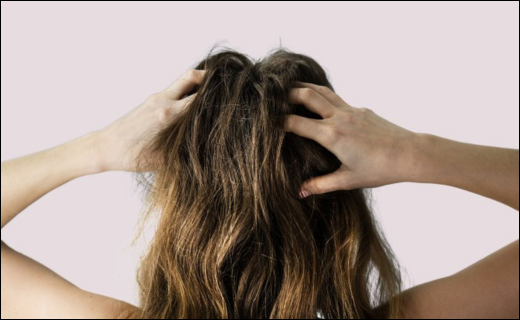
As the season turns cold, hair tends to lose moisture, becoming dry and fragile. Exposure to chilly outdoor air and dry indoor heating reduces moisture levels in the hair, scalp, and shaft. Reduced water intake, heavy diets, and altered daily routines during the winter season can have an impact on hair health. Environmental factors, along with reduced scalp moisture, can cause the hair to become weak and dull. To maintain healthy, soft, and shiny hair in winter, it is important to follow nourishing routines, including scalp massages with oils, hydrating nutrition, and careful hair care, to rebuild moisture and hair health.
REASONS FOR HAIR DRYNESS DURING WINTER
1. Vata Imbalance in Winter
Winter season harsh, dry air conditions cause disturbance in the Vata dosha, which increases hair roughness and dryness. With decreases in natural oil production and impaired moisture, hair turns brittle, frizzy, and fragile, requiring proper care and nourishment to maintain strength and smoothness during the season.
2. Diminished Scalp Sebum Secretion
During the winter season, scalp sebum production decreases, which results in a reduction of the oils that keep hair nourished. This decrease in scalp sebum leads to dry, brittle, and more hair breakage. Ayurveda mainly focuses on regular scalp oiling to restore nourishment, support hair strength, and maintain the softness of hair by restoring moisture lost during the dry winter months.
3. Impaired Blood Circulation
During the winter season, vata dosha gets aggravated, and srotas (channels) get obstructed, which results in a reduction of blood flow to the scalp. Nourishment to the hair decreases, and the hair roots weaken. This leads to rukshata (dryness), Kesha Daurbalya (weakening of hairs), and a reduction in the scalp natural nourishing oils, making the hair appear dull.
4. Diminished hydration
During the winter season, decreased water intake lowers overall body and scalp hydration. According to Ayurveda, vata imbalance dries out hair, causes hair roots to become weak, and makes them brittle and prone to breakage. Ensuring sufficient hydration during winter helps restore moisture, maintain softness, and support strong, healthy hair during the winter season.
5. Hot Water Overexposure
During the Winter season hot water exposure eliminates the scalp snigdha guna (natural lubrication), which results in an imbalance of vata dosha. This causes daurbalya (fragility), rukshata (dryness), and Kesha Pata (hair fall or loss), leading to dry, fragile, and dull hair with aggravated Vata dosha
6. Impaired agni (digestive fire) and ama (Toxins) accumulation
Weak digestive fire (Mandagni) during the winter season produces Ama (toxins), which obstruct the srotas (channels) that nourish the hair. As a result, Vata increases, causing hair to lose Snigdhata (moisture), and hair becomes dry, brittle, and weak, and more prone to hair breakage and dullness.
7. Nutrient Deficiency
During winter, diets low in essential fats, vitamins, and minerals can impair hair follicle health. Improper nutrition intake during winter causes weakening of hair follicles, a reduction in natural sebum production, which results in dry and weakened hair roots.
8. Lifestyle-Induced Health Effects
During the winter season, disturbed and irregular daily routines, inadequate sleep, and emotional stress can cause an imbalance of Vata dosha. Neglecting self-care, balanced diet, and restorative practices during cold, dry months weakens the hair strength and luster, increasing fragility and more prone to breakage, which shows that regular self- care and balanced routines promote healthy and durable hair.
Practices to Remember
- During winters, avoid shampooing hair frequently, as it causes a reduction in natural hair oil and also causes excessive dryness in hair. For coping with this and for hair cleansing, use herbal shampoos or herbs such as Bhringraj (Eclipta alba), Amla (Emblica officinalis), Kumari (Aloe vera), and Nimb (Azadirachta indica), etc.
- Use a head cover to avoid direct contact with dust or heat, as direct contact with them causes hair damage, thus making the hair weak and less lustrous.
- Avoid applying hair oil to a dirty scalp, as it results in increased hair fall.
- Take a healthy, nutritional diet. Include green leafy vegetables in your diet as they are good for hair growth as well as for hair strengthening. Also include walnut, almond, avocado, broccoli, spinach, pumpkin seeds, and sunflower seeds, as they are a rich source of vitamin E, which helps in coping with hair dryness and helps maintain hair shine and luster.
- Maintain a stress-free lifestyle. Practice pranayam and include yoga practices to achieve stress stress-free and healthy lifestyle, as stress is considered to be one of the main contributing factors responsible for hair loss and its strength.
Herbs for preventing Hair Dryness
1. Amla (Emblica officinalis): Amla is rich in vitamin C, and it helps to cope with premature greying of hair. It strengthens the hair and is helpful in conditioning the hair.
2. Bhringraj (Eclipta alba): Bhringraj nourishes the scalp and strengthens the hair roots. It prevents hair loss, improves blood circulation, and also prevents hair dryness.
3. Methi (Fenugreek): Methi is rich in protein. It helps to prevent hair loss, treats dryness, and maintains natural hair shine.
4. Kumari (Aloe vera): Aloe vera has moisturizing and soothing properties that hydrate dry and damaged hair. It reduces brittleness, manages hair moisture, and promotes hair softness.
5. Shikakai (Acacia concinna): Shikakai is a gentle cleaner. It is used to clean the scalp, strengthen the hair, reduce hair damage, and prevent dryness without losing natural hair oils.
CONCLUSION
The Winter Season usually causes dryness of hair due to cold temperatures, low humidity, and environmental stress, which results in a reduction of sebum from the scalp. Lifestyle factors such as improper water intake, disturbed daily routines, and poor hydration are some factors that worsen this condition. According to Ayurvedic principles, increased Vata dosha leads to hair roughness and brittle hair. Hair care during winter requires following preventive measures such as oil massage, herbs, and a healthy, balanced diet. This article focuses on the causes of hair dryness during the winter season and ayurvedic herbs used to maintain hair strength, luster, and endurance during the winter season.

Dr. Vikram Chauhan
https://www.planetayurveda.comDr. Vikram Chauhan (MD - Ayurveda) is a Globally Renowned Ayurveda Physician with Expertise of more than 25 Years. He is the CEO & Founder of http://www.PlanetAyurveda.com, a leading Ayurveda Brand, Manufacturing, and Export Company with a Chain of Clinics and Branches in the US, Europe, Africa, Southeast Asia, India, and other parts of the World. He is also an Ayurveda Author who has written Books on Ayurveda, translated into Many European Languages. One of his Books is "Ayurveda – God’s Manual for Healing". He is on a Mission to Spread Ayurveda All Over the Planet through all the Possible Mediums. With his Vast Experience in Herbs and their Applied Uses, he is successfully treating Numerous Patients suffering from Various Ailments with the help of the Purest Herbal Supplements, Diet, and Lifestyle, according to the Principles of Ayurveda. For More Details, visit - www.planetayurveda.com, www.alwaysayurveda.com
View more posts from this author